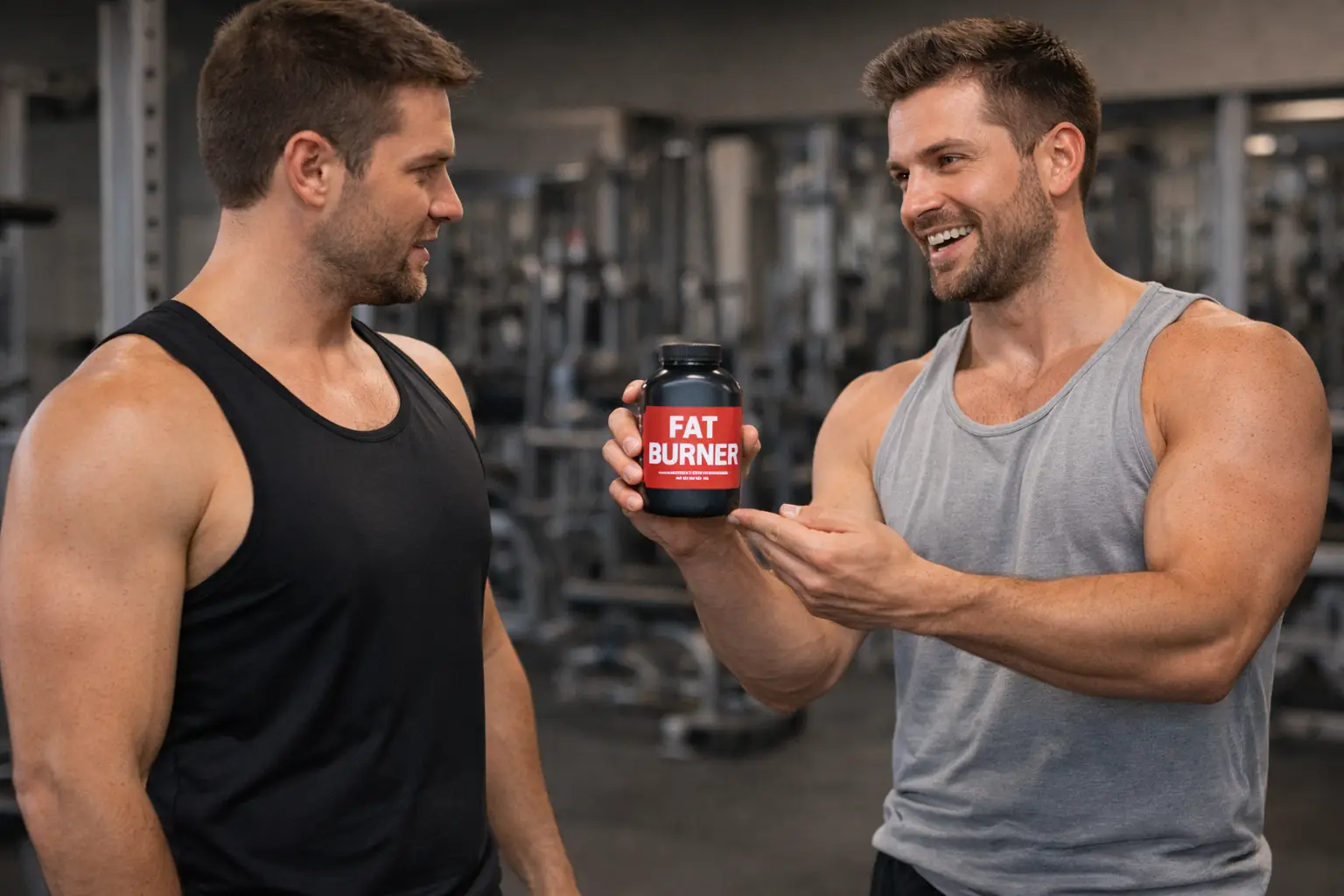
The supplement industry is built on empty promises and slick marketing. Here’s how to avoid wasting money on products that will never deliver results.
Walk into any supplement store and you’ll be bombarded with flashy labels, impressive claims, and salespeople ready to sell you the “secret” to instant muscle growth or rapid fat loss.
“This pre-workout will transform your training!”
“Take this fat burner and watch the pounds melt off!”
“Stack these three products for explosive muscle gains!”
It all sounds amazing. The problem? Most of it is complete nonsense.
The supplement industry has exploded in recent years, but not because companies discovered revolutionary new products that actually work. It’s because they discovered that people will buy anything if the marketing is persuasive enough.
In this brutally honest guide, I’m going to expose the truth about the supplement industry, reveal which products are actually worth your money, and show you how to avoid getting scammed by overpriced garbage that delivers zero results.
Let’s cut through the marketing BS and get to the facts.
TABLE OF CONTENTS
- The Supplement Industry's Dirty Secret: It's All About Profit, Not Results
- The Real Purpose of Dietary Supplements
- The Benefits and Dangers of Supplementation
- The Importance of Working With a Sports Nutritionist
- How to Make Smart Supplement Choices
- Red Flags: How to Spot Supplement Scams
- The Financial Reality: Most Supplement Spending Is Wasted
- Final Thoughts: Knowledge Is Your Best Defense
The Supplement Industry’s Dirty Secret: It’s All About Profit, Not Results
When you walk into a supplement store as an uninformed customer, what you’re seeing isn’t genuine concern for your health or training goals. You’re seeing a carefully orchestrated sales operation designed to extract maximum money from your wallet.
The common sales tactics:
Seductive promises everywhere:
- “This product is THE solution for muscle growth!”
- “Burn fat fast with this breakthrough formula!”
- “Get shredded in just 30 days!”
- “Pro bodybuilders use this secret stack!”
These claims sound incredible. They’re designed to. But they’re almost always empty promises that serve one purpose: convincing you to buy.
Untrained salespeople pushing products:
Here’s what makes this worse: many supplement stores employ staff with zero nutrition education or scientific background. These salespeople repeat marketing claims they’ve memorized without any ability to evaluate whether the product is appropriate for your individual situation.
They don’t ask about:
- Your current training program
- Your actual nutritional needs
- Your existing diet quality
- Your specific goals and timeline
- Whether you even need supplements at all
Why not? Because their job isn’t to help you. Their job is to sell products. The more expensive, the better.

The fundamental misunderstanding:
This entire approach ignores the basic definition of what supplements actually are: additions to an already solid diet and training program, not magic solutions that replace proper nutrition and consistent training.
The Real Purpose of Dietary Supplements
Let’s get crystal clear on what supplements are actually for.
The legitimate function of a dietary supplement is to complement your diet by filling nutritional gaps that cannot easily be addressed through regular food alone.
Valid reasons to use supplements:
1. Time constraints: You don’t have time to prepare and eat whole food meals at certain times of the day.
2. Limited access to quality food: You’re traveling, working long shifts, or don’t have access to fresh, nutritious options.
3. Increased nutritional demands: You’re training intensely, recovering from illness, or have temporarily elevated nutritional needs.
4. Convenience around training: Eating solid food immediately before, during, or right after training can be uncomfortable or impractical.
5. Specific deficiencies: Blood work or symptoms indicate you’re deficient in certain nutrients that are difficult to obtain through food alone.
In these situations, quality supplements can be convenient and effective.
What supplements cannot do:
Supplements will NEVER replace:
- A well-structured training program
- Adequate protein and calorie intake from whole foods
- Consistent effort over time
- Proper recovery and sleep
- Progressive overload in the gym
The harsh reality:
Building muscle and losing fat are complex processes involving multiple factors working together: proper nutrition, intelligent training, adequate recovery, and yes, sometimes strategic supplementation.
It’s completely unrealistic to believe that a capsule or powder will produce these results without coordinated effort in all other areas.
Yet some industry professionals continue promoting this illusion. This perpetuates misinformation and leads people to waste money on unnecessary products while neglecting the fundamentals that actually matter.
The Benefits and Dangers of Supplementation
I’m completely in favor of appropriate, strategic supplementation that helps people achieve complete nutrition and meet the specific demands of intense training.
When done correctly, supplementation can genuinely contribute to:
- Improved athletic performance
- Faster recovery between training sessions
- Easier adherence to nutrition plans
- Filling legitimate nutritional gaps
- Convenience for busy schedules
What I’m vehemently against:
Salespeople without proper education or knowledge operating in this market as if they’re selling clothing or perfume, where the only objective is quick profit.
Consumer health should be the priority. Instead, it’s often sacrificed for marketing campaigns designed solely to increase sales.
The good news:
There ARE serious, reputable supplement companies and stores that genuinely care about customer wellbeing and provide quality service.
Some stores employ staff who recommend that customers seek professional guidance before making purchases. Even better, some supplement retailers hire qualified sports nutritionists to properly advise customers. This is excellent practice and a genuine competitive advantage.
How to identify quality supplement retailers:
Red flags (avoid these stores):
- Staff pushes expensive proprietary stacks
- Claims products work for “everyone”
- Discourages seeking professional advice
- Makes extreme promises about results
- Pressures you to buy immediately
Green flags (trustworthy retailers):
- Employs or partners with registered dietitians/nutritionists
- Asks detailed questions about your situation
- Recommends starting with basics (not exotic blends)
- Encourages getting blood work done
- Willing to say “you might not need this”
The Importance of Working With a Sports Nutritionist
For those who want to use supplements effectively and safely, guidance from a professional specialized in sports nutrition is invaluable.
But here’s the critical caveat: not all nutritionists are created equal.
The problem with some nutrition professionals:
Unfortunately, certain nutritionists don’t understand the reality of people who practice bodybuilding or high-intensity training. Some take overly conservative approaches that don’t align with athletic performance goals.
What to look for in a sports nutritionist:
Find a professional who:
- Understands the demands of intense training
- Has experience working with athletes or serious lifters
- Stays updated on current sports nutrition research
- Appreciates that supplements have legitimate uses
- Can differentiate between evidence-based and marketing claims
What to avoid:
Red flags in nutrition professionals:
- Recommends “crackers with jelly and chamomile tea before training”
- Claims all supplements are dangerous or unnecessary
- Treats bodybuilding/strength training like casual exercise
- Hasn’t updated their knowledge in years
- Dismisses client goals as unrealistic without discussion
The ultra-conservative approach:
Some nutritionists adopt an extremely conservative stance, suggesting only whole foods and avoiding supplements entirely. They may even claim supplements are inherently harmful.
While it’s true that incorrect supplement use can cause problems, this doesn’t mean supplements should be completely avoided. What’s needed is common sense and proper information.
The balanced perspective:
When used with appropriate guidance and clear objectives, supplements can be extremely beneficial and help optimize performance. But they never replace a balanced, well-planned diet based primarily on whole foods.
Separating Myths From Reality: Which Supplements Actually Work
Let’s examine the most common supplements and determine which are worth your money.
The Proven Winners (Actually Worth Buying)
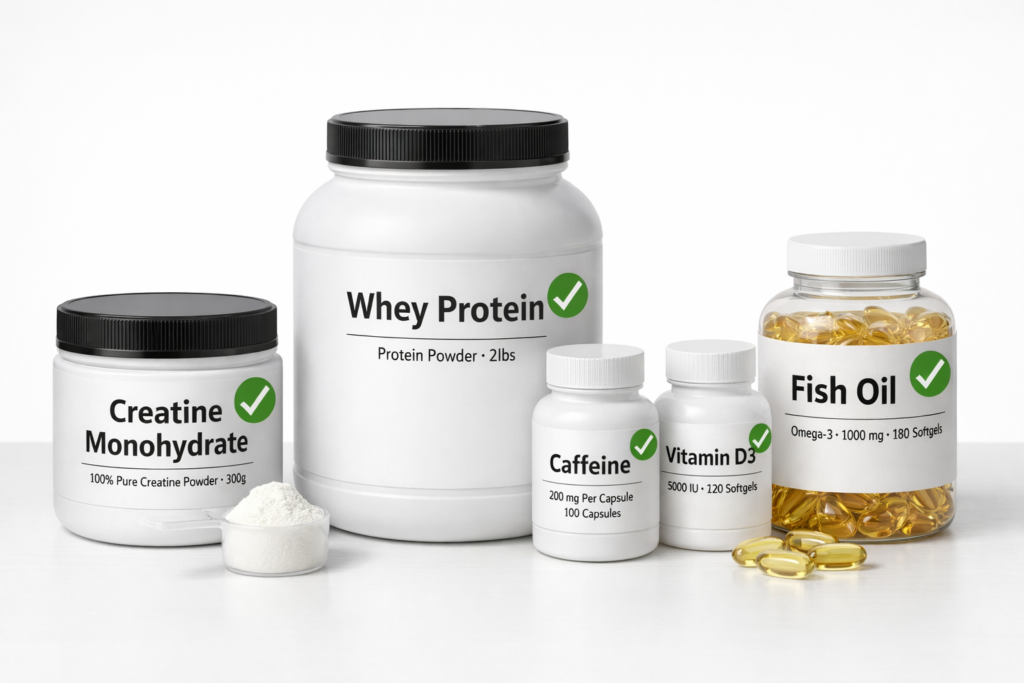
1. Creatine Monohydrate
What it does: Increases muscle creatine phosphate stores, allowing you to produce more ATP (energy) during high-intensity exercise.
Proven benefits:
- Increased strength and power output
- Enhanced muscle growth over time
- Improved high-intensity exercise capacity
- Faster recovery between sets
The science: Creatine is the most researched sports supplement in existence, with hundreds of studies confirming its effectiveness and safety.
Who benefits: Anyone doing resistance training or explosive activities.
Dosage: 5 grams daily (timing doesn’t matter)
Cost effectiveness: Extremely cheap. A year’s supply costs about $20-30.
Bottom line: If you only buy one supplement, make it creatine.
2. Whey Protein Powder
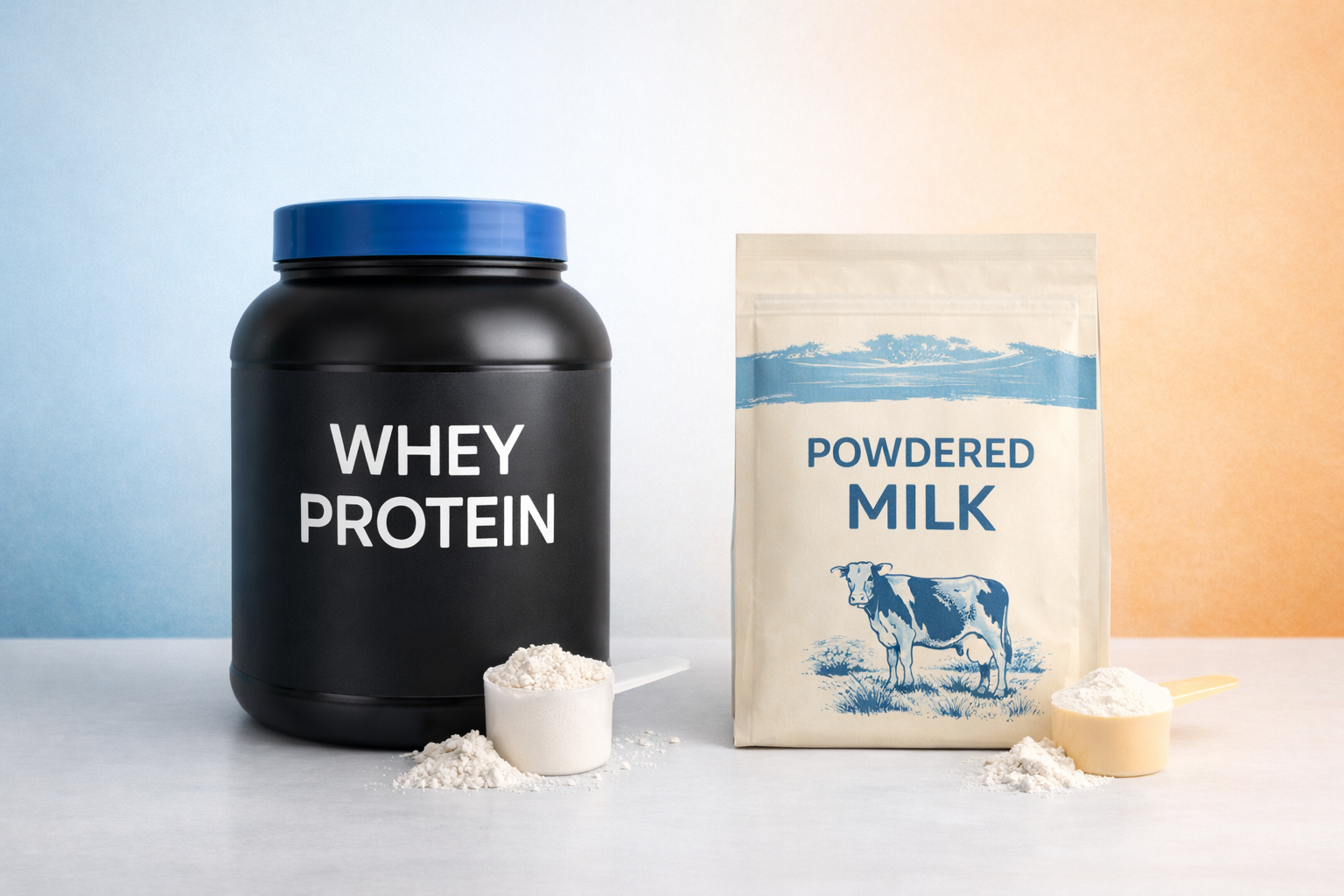
What it is: Concentrated milk protein that’s quickly digested and absorbed.
Proven benefits:
- Convenient protein source
- Fast absorption (ideal post-workout)
- Complete amino acid profile
- Helps meet daily protein targets
Who benefits: People who struggle to eat enough protein from whole foods, or need convenient protein around training.
Who doesn’t need it: People who easily meet protein targets (0.7-1g per pound body weight) through regular meals.
Dosage: 20-40 grams per serving as needed to hit daily protein goals
Cost effectiveness: Generally cheaper per gram of protein than meat when bought in bulk.
Bottom line: Useful but not essential. A convenience product, not a magic muscle builder.
3. Caffeine
What it does: Stimulates the central nervous system, increasing alertness and reducing perceived effort.
Proven benefits:
- Increased strength and power
- Enhanced endurance
- Reduced fatigue perception
- Improved focus and alertness
Who benefits: Anyone looking for a pre-workout performance boost.
Dosage: 150-300mg 30-60 minutes before training
Cost effectiveness: Extremely cheap if you buy pure caffeine pills. Expensive if you buy fancy pre-workouts.
Caution: Tolerance develops quickly. Use strategically, not daily.
Bottom line: Effective and cheap. Skip expensive pre-workouts and just buy caffeine pills.
4. Vitamin D3
What it does: Essential vitamin that many people are deficient in, especially those living in northern climates or who don’t get sun exposure.
Proven benefits:
- Supports bone health
- Immune function
- Testosterone production
- Mood regulation
Who benefits: Almost everyone, especially during winter months.
Dosage: 2,000-5,000 IU daily
Cost effectiveness: Very cheap.
Bottom line: Get blood work to check your levels. If deficient, supplement.
5. Fish Oil (Omega-3s)
What it does: Provides EPA and DHA, essential fatty acids with anti-inflammatory properties.
Proven benefits:
- Cardiovascular health
- Reduced inflammation
- Joint health
- Brain function
Who benefits: People not eating fatty fish 2-3x per week.
Dosage: 2-3 grams EPA+DHA daily
Cost effectiveness: Moderate cost for quality product.
Bottom line: More of a health supplement than performance enhancer, but valuable.
The Questionable Middle Ground (Mixed Evidence)
Beta-Alanine
Claim: Buffers lactic acid, delays fatigue.
Reality: Some evidence for endurance during high-rep sets (60-240 seconds of work). Effects are modest.
Verdict: May provide small benefits for specific training styles. Not essential.
BCAAs (Branched-Chain Amino Acids)
Claim: Prevents muscle breakdown, enhances recovery.
Reality: Unnecessary if you’re consuming adequate protein. Whole protein sources provide BCAAs plus other essential amino acids.
Verdict: Waste of money if your protein intake is adequate. Just eat more protein or use whey instead.
Multivitamins
Claim: Fill nutritional gaps.
Reality: Useful if your diet lacks variety. Unnecessary if you eat diverse whole foods.
Verdict: Cheap insurance policy, but not a substitute for eating vegetables.
The Overhyped Garbage (Don’t Waste Your Money)
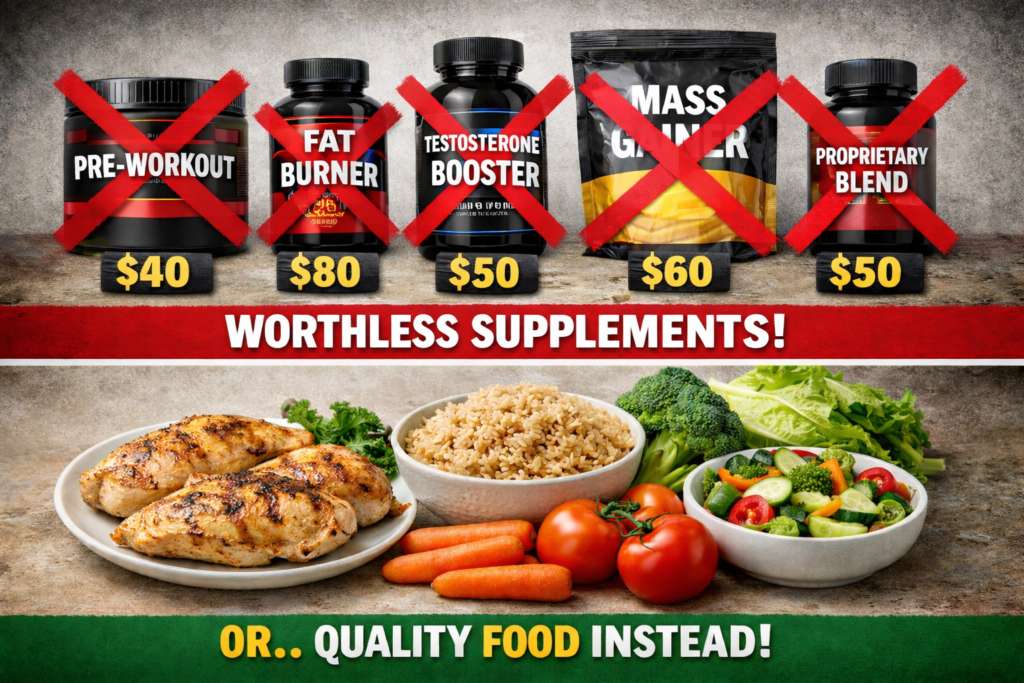
Most Pre-Workout Formulas
The claim: Explosive energy! Insane pumps! Maximum focus!
The reality: Overpriced caffeine with pixie dust doses of other ingredients. You’re paying $40-60 for what amounts to $5 worth of caffeine and artificial flavoring.
Better option: Buy pure caffeine pills for $10 and add creatine if desired.
Fat Burners / Thermogenics
The claim: Melt fat fast! Accelerate metabolism! Burn calories 24/7!
The reality: Most contain caffeine and a bunch of unproven herbs. Any effect is minimal and comes primarily from the caffeine suppressing appetite.
The truth: They don’t “burn fat.” Only a caloric deficit burns fat. Save your money.
Better option: Drink black coffee and eat in a caloric deficit.
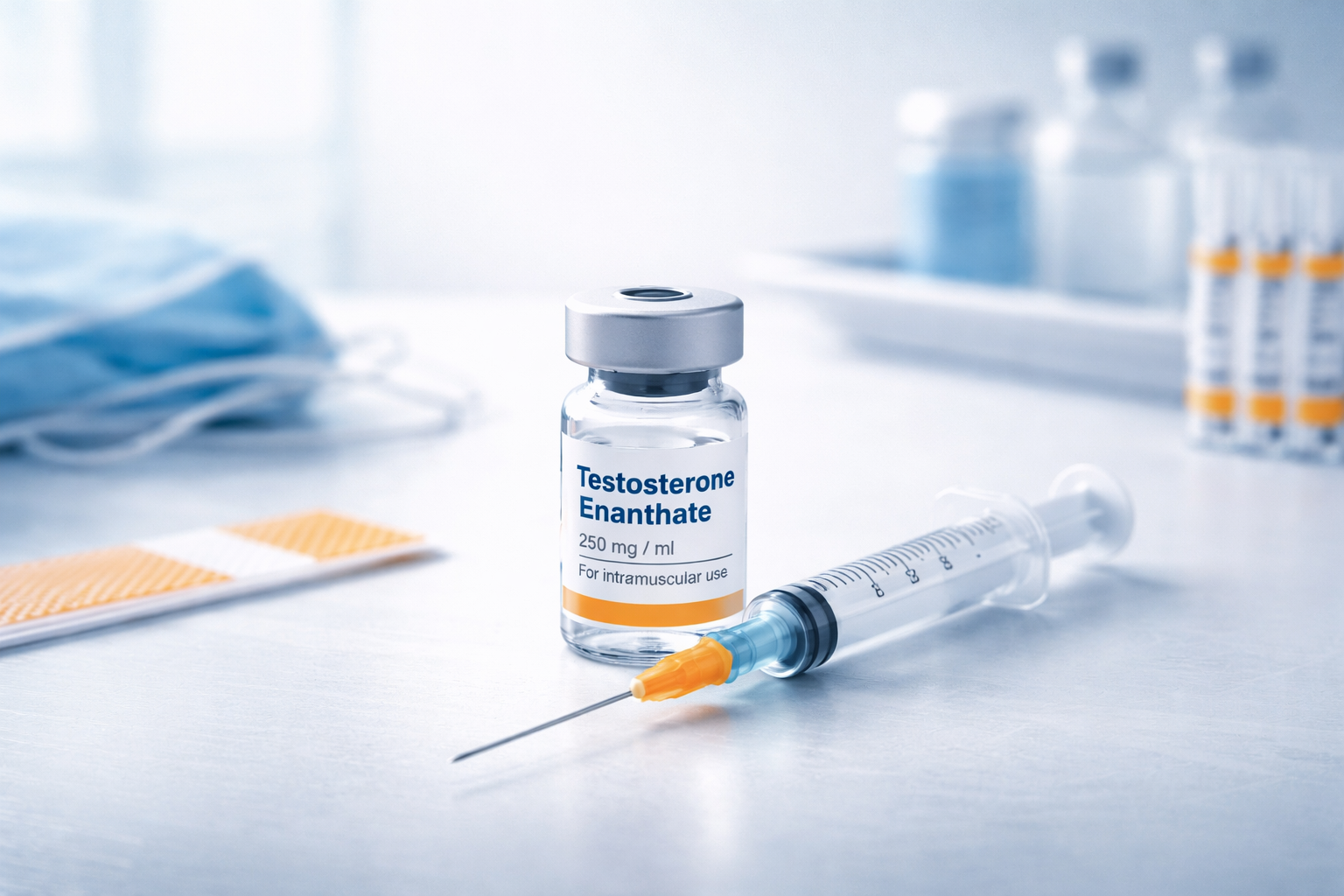
Testosterone Boosters
The claim: Naturally increase testosterone! Build muscle faster! Enhanced libido!
The reality: Over-the-counter supplements cannot significantly increase testosterone in healthy males. If they actually worked, they’d be prescription drugs.
The truth: Most contain tribulus, fenugreek, D-aspartic acid, or other compounds with zero evidence of increasing testosterone in humans with normal levels.
Better option: Sleep more, lift heavy, maintain healthy body fat, manage stress. These actually affect testosterone.
Mass Gainers
The claim: Pack on size! 1,200 calories per serving! Rapid muscle growth!
The reality: Overpriced maltodextrin (cheap sugar) and low-quality protein. You’re paying $60 for ingredients worth $10.
Better option: Make your own high-calorie shake with oats, protein powder, peanut butter, banana, and milk. Cheaper and higher quality.
Proprietary Blends
The claim: Secret formula! Pro athlete tested! Revolutionary results!
The reality: When a label says “proprietary blend,” it means they’re hiding the actual doses of ingredients. Usually because effective ingredients are severely underdosed.
The truth: If they had effective doses, they’d proudly display exact amounts.
Better option: Only buy products with transparent labels showing exact ingredient amounts.
How to Make Smart Supplement Choices
If you’re considering supplements or already using them, adopt a conscious, informed approach.
The smart supplement buyer’s checklist:
1. Avoid products promising quick, easy results
If it sounds too good to be true, it absolutely is. Real progress requires time, consistent training, and proper nutrition. Supplements are minor optimizations, not game-changers.
2. Analyze your actual needs first
Before buying any supplement, honestly assess:
- Is my training program solid?
- Is my diet on point?
- Am I eating enough protein?
- Am I sleeping adequately?
- Have I been consistent for at least 3 months?
If any answer is “no,” fix those issues first. Supplements won’t compensate for poor fundamentals.
3. Consult a qualified professional
Find a sports nutritionist or registered dietitian who understands athletic training. Get personalized recommendations based on your specific situation.
4. Research the actual science
Don’t trust marketing claims. Look up studies on examine.com or similar evidence-based resources. Check if there’s legitimate research supporting the product.
5. Start with proven basics
Begin with supplements that have overwhelming evidence:
- Creatine monohydrate
- Protein powder (if needed)
- Vitamin D (if deficient)
- Fish oil
Skip exotic blends and proprietary formulas.
6. Track your results objectively
Don’t rely on feelings. Track:
- Strength progression in key lifts
- Body weight trends
- Body composition changes
- Energy and recovery
If a supplement makes no measurable difference after 8-12 weeks, stop wasting money on it.
7. Remember supplements are supplementary
They complement a solid foundation. They don’t create one.
The hierarchy of importance:
- Consistent training with progressive overload
- Adequate total daily protein (0.7-1g per pound)
- Appropriate total daily calories (surplus for muscle gain, deficit for fat loss)
- Quality sleep (7-9 hours nightly)
- Stress management and recovery
- Then, and only then, strategic supplementation
Red Flags: How to Spot Supplement Scams

Learn to identify products and companies that are ripping you off.
Warning signs of scam supplements:
1. Proprietary blends
If they won’t tell you exact doses, there’s a reason. Usually because effective ingredients are criminally underdosed.
2. Outrageous claims
“Gain 10 pounds of muscle in 30 days!” “Lose 20 pounds without dieting!” “Increases testosterone 400%!”
These violate truth-in-advertising laws and are pure fiction.
3. Before-and-after photos
Almost always fake or misleading:
- Different lighting and angles
- Professional posing tricks
- Photoshop manipulation
- People who also used steroids
- Results from diet and training, not the supplement
4. Celebrity endorsements
Professional athletes are paid huge sums to promote products they often don’t use. Their physiques come from genetics, hard work, and frequently, performance-enhancing drugs. Not the supplement being advertised.
5. “Clinically proven” without citations
If a product claims clinical proof, there should be links to actual published studies. If there aren’t, they’re lying.
6. Too many ingredients
Products with 30+ ingredients are throwing everything at the wall hoping something sticks. More ingredients doesn’t mean better. It usually means:
- Each ingredient is underdosed
- Increased chance of side effects
- Higher price for no additional benefit
7. Miracle ingredient claims
“This ancient herb from the Himalayas…” “Rare extract used by Tibetan monks…” “Breakthrough ingredient discovered by NASA scientists…”
Pure marketing nonsense.
8. Aggressive sales tactics
“Limited time only!” “Buy now before we sell out!” “This special price expires in 24 hours!”
Creating false urgency to prevent you from researching and making an informed decision.
The Financial Reality: Most Supplement Spending Is Wasted
Let’s talk about money.
The average supplement buyer:
Spends $100-300 monthly on various products, most of which provide zero measurable benefit. That’s $1,200-3,600 annually on supplements.
A smarter approach:
Spend $20-40 monthly on only proven essentials. That’s $240-480 annually. Invest the saved $960-3,120 in:
- Quality food
- Better gym equipment
- Personal training sessions
- Sports massage or physical therapy
- Actually valuable things
Cost breakdown of effective supplementation:
Monthly costs for evidence-based supplements:
- Creatine monohydrate (5g daily): $2-3
- Whey protein (if needed): $15-25
- Caffeine pills (if used): $3-5
- Vitamin D: $3-5
- Fish oil: $5-10
Total: $28-48 per month
This covers everything scientifically proven to work for most people.
Everything else is optional or unnecessary.
Final Thoughts: Knowledge Is Your Best Defense
Dietary supplements can be powerful allies when used correctly and with proper foundation.
In a market saturated with products promising more than they can deliver, it’s easy to fall for deceptive marketing and waste money on products offering little to no real benefit.
The key principles:
Prioritize health and real goals above marketing hype
Don’t let flashy advertising convince you to buy things you don’t need. Focus on what actually produces results: consistent training, proper nutrition, adequate recovery.
Educate yourself continuously
Read scientific literature, not supplement company blogs. Use resources like:
- Examine.com (evidence-based supplement information)
- PubMed (actual research studies)
- Registered dietitians and sports nutritionists
- Peer-reviewed fitness publications
Start with fundamentals
Before spending a dollar on supplements, ensure:
- Your training program is solid
- Your diet provides adequate protein and calories
- You’re sleeping 7-9 hours nightly
- You’re consistent for at least 3-6 months
Use only proven supplements
Stick to products with overwhelming scientific evidence:
- Creatine for strength and muscle
- Protein powder for convenience
- Caffeine for acute performance
- Basic vitamins/minerals if deficient
Avoid the exotic and expensive
If it’s new, expensive, and heavily marketed, it’s probably garbage. The best supplements are old, boring, cheap, and proven.
Track results objectively
Don’t rely on how you “feel.” Use measurable data:
- Strength in key lifts
- Body weight trends
- Body measurements
- Progress photos
If a supplement doesn’t produce measurable improvements after 2-3 months, stop buying it.
Remember that supplements are exactly that: supplementary
They complement a solid foundation of training, nutrition, and recovery. They never replace these fundamentals.
The uncomfortable truth:
95% of your results come from consistent training and proper nutrition. Supplements might contribute 5% at most.
Yet the supplement industry wants you to believe the opposite: that their products are the key to success, and everything else is secondary.
Don’t fall for it.
Your money, your health, your results.
The supplement industry will continue churning out overpriced, overhyped products as long as people keep buying them.
Be smarter. Be skeptical. Demand evidence. Prioritize fundamentals.
And remember: the best supplement you can invest in is knowledge. It’s free, it never expires, and it can’t be taken away from you.
STAY ALERT. STAY INFORMED. STOP GETTING SCAMMED.
Ready to build serious muscle without wasting money on useless supplements? Get a complete, evidence-based training and nutrition system that shows you exactly what to eat, how to train, and which supplements (if any) are actually worth buying. Stop falling for marketing hype and start following proven science. Your wallet and your gains will thank you.






Leave a Reply
You must be logged in to post a comment.