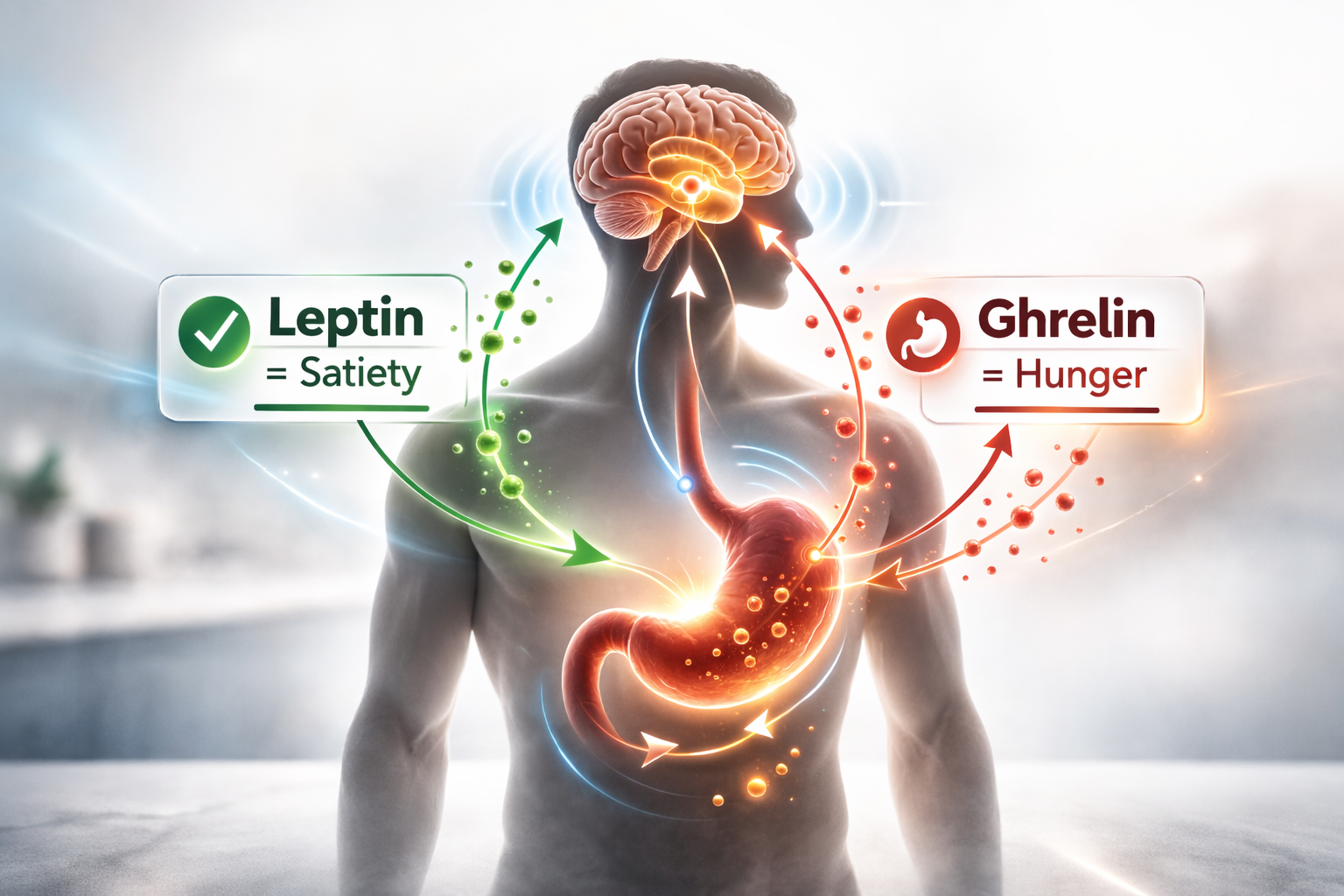
Constantly hungry even after eating? Can’t stop thinking about food? Your hunger hormones are probably out of control.
You just ate a full meal. You’re physically full. But 30 minutes later, you’re starving again.
You feel like your body is sabotaging your diet. You have zero willpower. You’re always thinking about food.
You’ve tried everything:
- Eating more protein
- Drinking more water
- Keeping busy to distract yourself
- “Powering through” the hunger
Nothing works. The hunger is relentless. You eventually cave and overeat.
Here’s what’s actually happening: Your hunger hormones leptin and ghrelin are dysregulated. Leptin (the “I’m full” hormone) isn’t working properly, so your brain never gets the signal to stop eating. Ghrelin (the “I’m hungry” hormone) is elevated constantly, making you feel starving even when you have plenty of stored energy. This isn’t willpower. This is biochemistry.
In this comprehensive guide, I’ll explain exactly what leptin and ghrelin do (and why they control your appetite more than willpower), reveal the 7 biggest causes of hormone dysregulation (most people have at least 3), show you the proven strategies to fix leptin resistance (this changes everything), provide the complete protocol for lowering ghrelin naturally (hunger disappears within days), and explain why your diet might be making the problem worse (common mistake).
Whether you’re trying to lose fat, maintain weight, or just want to stop being constantly hungry, understanding these hormones is critical.
Let’s fix your hunger hormones so you can finally control your appetite.
TABLE OF CONTENTS
What Are Leptin and Ghrelin?
Understanding the hunger hormone system.
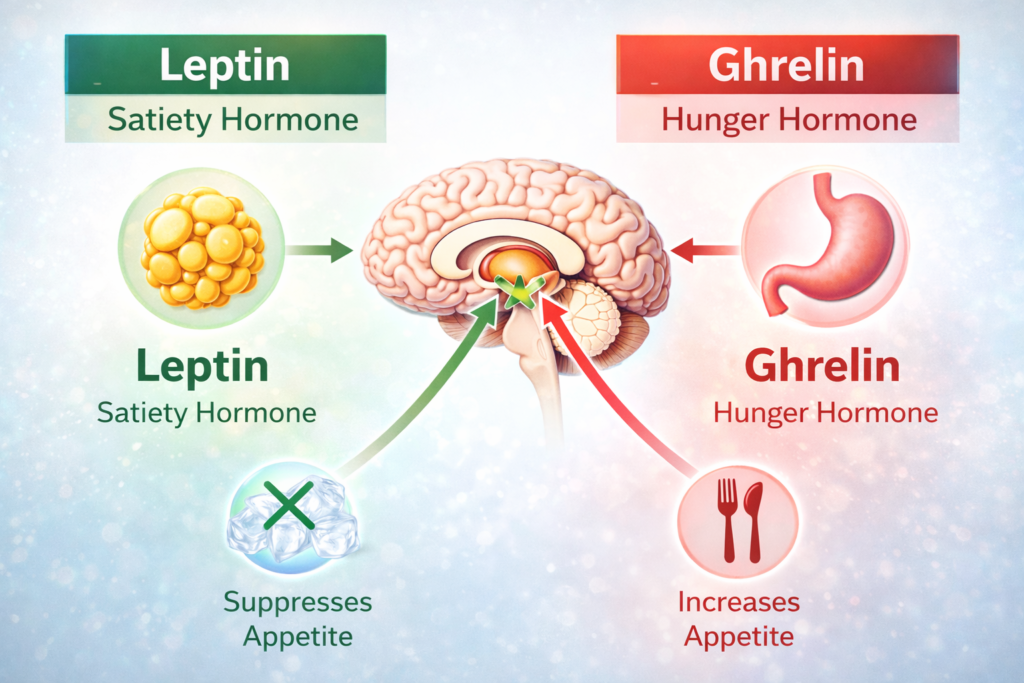
Leptin: The Satiety Hormone
What it is:
- Hormone produced by fat cells
- Signals to brain “you have enough energy stored”
- Tells you to stop eating
- Regulates energy expenditure
- The “I’m full” signal
Where it comes from:
- Adipose tissue (fat cells)
- More body fat = more leptin production
- Released in proportion to fat stores
- Fat cells are endocrine organs
What it does:
- Travels to hypothalamus in brain
- Binds to leptin receptors
- Suppresses appetite
- Increases energy expenditure
- Signals “stop eating, you’re satisfied”
- Satiety hormone
When it’s working properly:
- You eat a meal
- Leptin levels rise
- Brain receives signal
- Appetite decreases
- You stop eating naturally
- Natural appetite control
The problem:
- Many people develop leptin resistance
- Brain doesn’t “hear” the leptin signal
- Even with high leptin, still feel hungry
- Broken satiety signal
Ghrelin: The Hunger Hormone
What it is:
- Hormone produced by stomach
- Signals to brain “you need food”
- Makes you feel hungry
- Stimulates appetite
- The “feed me” signal
Where it comes from:
- Primarily stomach lining
- Small amounts from intestines, pancreas, brain
- Released when stomach is empty
- Stomach is hormone producer
What it does:
- Travels to hypothalamus
- Binds to ghrelin receptors
- Increases appetite
- Makes you seek food
- Signals “time to eat”
- Hunger hormone
When it’s working properly:
- Stomach empty for 3-4 hours
- Ghrelin rises
- You feel hungry
- You eat
- Ghrelin drops
- Hunger disappears
- Normal hunger cycle
The problem:
- Many people have chronically elevated ghrelin
- Feel hungry constantly
- Ghrelin doesn’t drop after eating
- Never feel satisfied
- Relentless hunger
How They Work Together
The balance:
- Leptin and ghrelin work as opposing forces
- Leptin says “stop eating”
- Ghrelin says “start eating”
- Balance determines appetite
- Appetite thermostat
Ideal scenario:
- Leptin working properly (good satiety)
- Ghrelin working properly (normal hunger)
- You eat when truly hungry
- You stop when satisfied
- Maintain healthy weight effortlessly
- Hormonal harmony
Dysregulated scenario:
- Leptin resistance (no satiety signal)
- Elevated ghrelin (constant hunger)
- Always feel hungry
- Never feel satisfied
- Constant food thoughts
- Weight gain or difficulty losing
- Hormonal chaos
Leptin Resistance: Why You Never Feel Full
The most common and problematic issue.
What Is Leptin Resistance?
The mechanism:
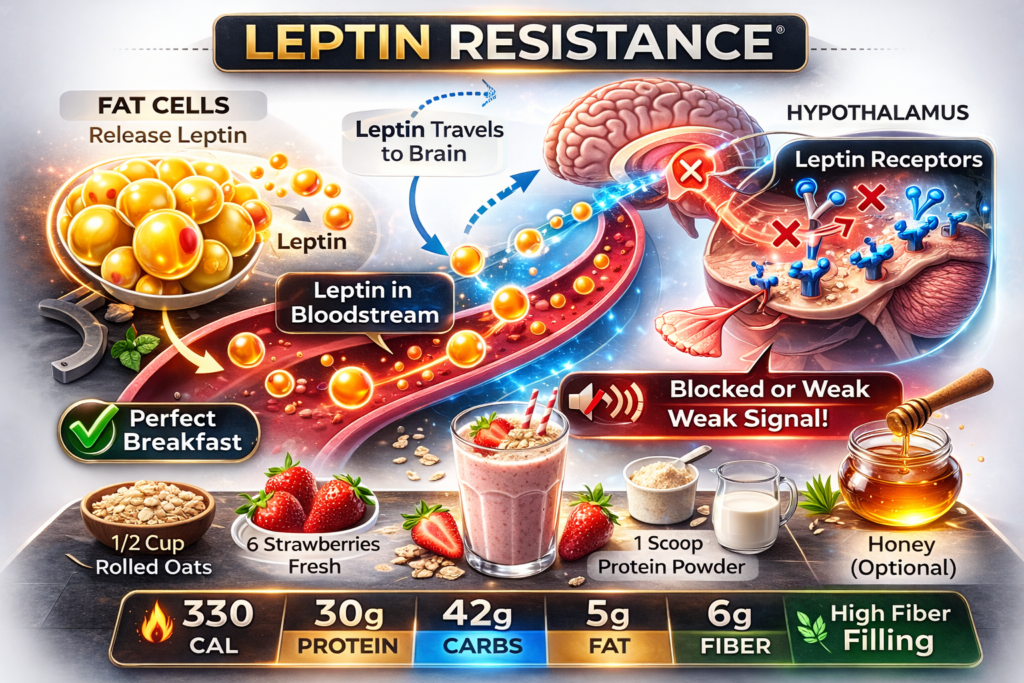
- Fat cells produce plenty of leptin
- Blood leptin levels are high
- But brain doesn’t respond to signal
- Like shouting into a phone with bad connection
- Signal sent, not received
The result:
- Brain thinks you’re starving
- Even though you have plenty of fat stores
- Increases appetite
- Decreases metabolism
- Makes you feel tired and hungry
- Body thinks it’s in famine
Why it’s so problematic:
- More body fat = more leptin produced
- More leptin = more resistance develops
- Vicious cycle
- Harder to lose weight over time
- Self-perpetuating problem
Symptoms of Leptin Resistance
How to know if you have it:
Physical symptoms:
- Constantly hungry even after eating
- Strong food cravings (especially carbs)
- Difficulty losing weight despite calorie restriction
- Low energy and fatigue
- Cold hands and feet
- Poor sleep quality
- Body not responding to leptin
Behavioral symptoms:
- Thinking about food constantly
- Can’t stop at one serving
- Eating when not physically hungry
- Nighttime eating
- Binge eating tendencies
- Leptin not suppressing appetite
Metabolic symptoms:
- Weight loss plateau despite eating less
- Slow metabolism
- Low thyroid function
- High triglycerides
- High blood pressure
- Insulin resistance
- Metabolic dysfunction
The test:
- If you have significant body fat (25%+ men, 32%+ women)
- And still feel hungry frequently
- And have trouble losing weight
- You likely have leptin resistance
What Causes Leptin Resistance?
The primary factors:
Cause 1: Chronic overeating
- Consistently eating in surplus
- Fat cells enlarge
- Produce excessive leptin
- Brain receptors become desensitized
- Like turning up volume too high too long
- Receptors burn out
Cause 2: High inflammation
- Inflammatory cytokines block leptin signaling
- Chronic inflammation from:
- Poor diet (processed foods, vegetable oils)
- Lack of sleep
- Chronic stress
- Gut issues
- Inflammation interferes with signal
Cause 3: High triglycerides
- Elevated blood fats
- Physically block leptin transport across blood-brain barrier
- Leptin can’t reach brain receptors
- Common with high-carb, high-fat diet
- Leptin blocked from entering brain
Cause 4: Insulin resistance
- High insulin interferes with leptin signaling
- Insulin and leptin resistance often co-exist
- High-carb diet worsens both
- Interconnected problems
Cause 5: Fructose overconsumption
- Fructose (especially from added sugars) increases triglycerides
- Impairs leptin signaling directly
- Soda, juice, processed foods high in fructose
- Sugar wreaks havoc on leptin
Cause 6: Lack of sleep
- Sleep deprivation reduces leptin sensitivity
- Even one night of poor sleep
- Increases hunger the next day
- Chronic issue if ongoing
- Sleep is critical
Cause 7: Chronic stress
- Elevated cortisol interferes with leptin
- Stress eating compounds problem
- Creates vicious cycle
- Stress blocks leptin signaling
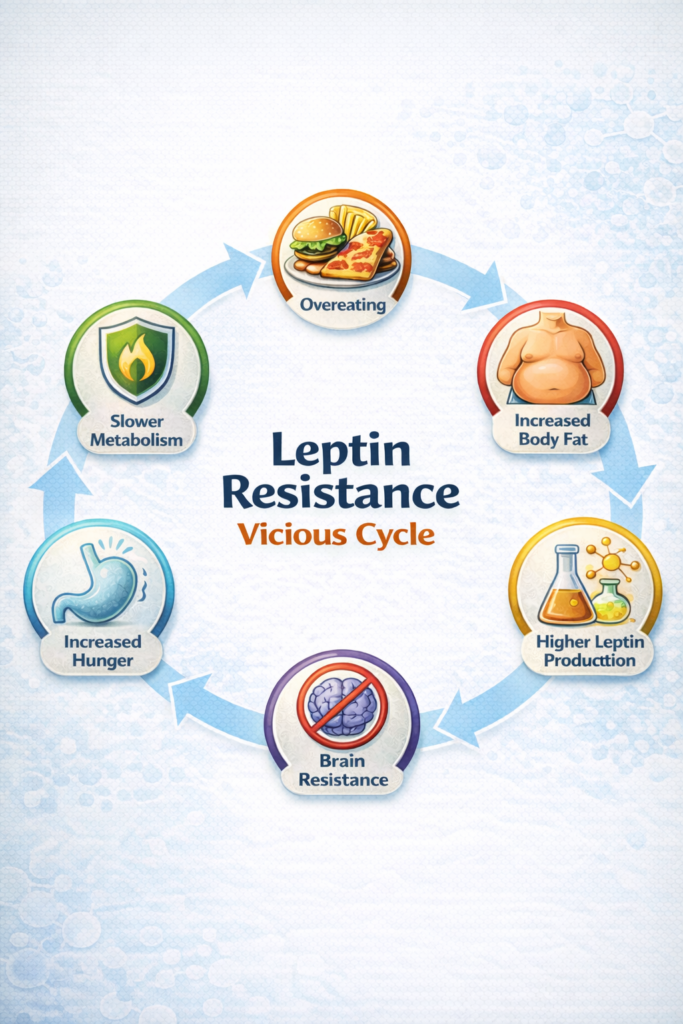
The Vicious Cycle
How it perpetuates:
Stage 1: Initial weight gain
- Overeat for period of time
- Gain body fat
- Fat cells produce more leptin
- Starting point
Stage 2: Resistance develops
- High leptin exposure
- Brain receptors desensitize
- Leptin signal weakens
- Resistance forms
Stage 3: Brain thinks you’re starving
- Despite high leptin, brain doesn’t “hear” it
- Interprets as low leptin (starvation)
- Increases hunger
- Decreases metabolism
- Famine response
Stage 4: More weight gain
- Increased hunger leads to overeating
- Gain more fat
- Produce even more leptin
- Problem worsens
Stage 5: Deeper resistance
- More leptin = more resistance
- Harder to lose weight
- Easier to gain weight
- Trapped in cycle
Breaking the cycle:
- Must address root causes
- Can’t just “eat less, move more”
- Need to restore leptin sensitivity
- Strategic approach required
How to Fix Leptin Resistance
The proven protocol that actually works.
Strategy 1: Create a Caloric Deficit (But Carefully)
Why it works:
- Losing body fat reduces leptin production
- Lower leptin levels allow receptors to resensitize
- But must be done correctly
- Reduces leptin exposure
The right way:
- Moderate deficit: 300-500 calories below maintenance
- Not extreme: 1000+ calorie deficit makes it worse
- Gradual fat loss: 0.5-1% body weight per week
- Sustainable approach
Why extreme deficits backfire:
- Crash dieting further suppresses leptin
- Brain thinks you’re starving even more
- Metabolism crashes
- Hunger increases dramatically
- Makes problem worse
The protocol:
- Calculate maintenance calories
- Subtract 300-500 calories
- Track weight weekly
- Adjust if losing too fast or too slow
- Consistent, moderate deficit
Strategy 2: Improve Diet Quality (Critical)
Why it works:
- Reduces inflammation
- Lowers triglycerides
- Improves insulin sensitivity
- All improve leptin signaling
- Removes interference
What to eat:
High protein (essential):
- 0.8-1g per pound body weight
- Most satiating macronutrient
- Preserves muscle during fat loss
- Improves leptin sensitivity
- Foundation of diet
Healthy fats (moderate):
- Focus on omega-3s (fish, flaxseed, walnuts)
- Avoid excess omega-6 (vegetable oils)
- Moderate amounts: 25-30% of calories
- Anti-inflammatory fats
Complex carbs (strategic):
- Whole grains, oats, sweet potatoes
- Fiber-rich vegetables
- Avoid refined carbs and sugar
- Time around workouts
- Controlled carb intake
What to avoid:
Processed foods:
- High in inflammatory ingredients
- Vegetable oils high in omega-6
- Refined carbs spike insulin
- Worsens leptin resistance
Added sugars:
- Especially fructose
- Increases triglycerides
- Blocks leptin signaling
- Soda, juice, candy, baked goods
- Enemy #1
Trans fats:
- Industrial trans fats
- Highly inflammatory
- Found in fried foods, margarine, baked goods
- Avoid completely
Strategy 3: Implement Refeed Days
Why it works:
- Temporary calorie increase (especially carbs)
- Boosts leptin levels acutely
- Signals to brain “not starving”
- Prevents metabolic adaptation
- Leptin boost
How to do it:
- Once per week (if dieting)
- Increase calories to maintenance or slightly above
- Extra calories primarily from carbs
- Keep protein and fat normal
- Strategic overfeed
Example:
- Normal diet days: 2000 calories (200g protein, 50g fat, 175g carbs)
- Refeed day: 2500 calories (200g protein, 50g fat, 300g carbs)
- Extra 500 calories from carbs
- Leptin boost, prevents adaptation
Benefits:
- Temporarily raises leptin
- Improves mood and energy
- Psychological break from restriction
- Prevents plateau
- Multiple benefits
Strategy 4: Optimize Sleep (Non-Negotiable)
Why it’s critical:
- Sleep deprivation causes leptin resistance
- Even one bad night increases hunger
- Chronic poor sleep = chronic leptin problems
- Sleep is when body restores sensitivity
The research:
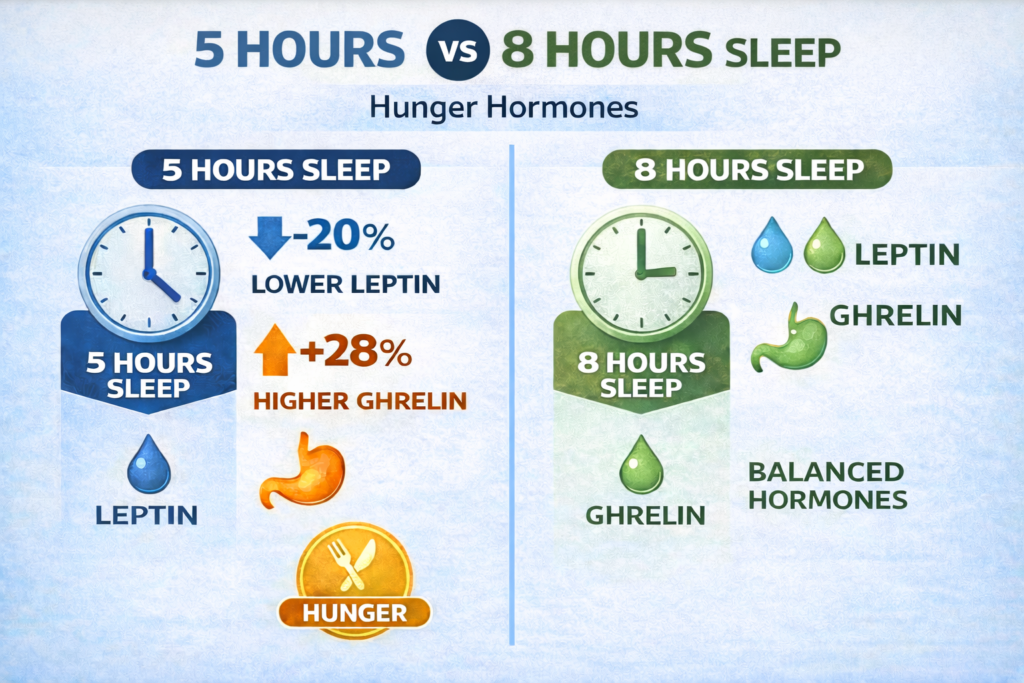
- Sleep less than 6 hours = 20% lower leptin
- Poor sleep = 28% higher ghrelin
- Doubles hunger and cravings
- Massive impact
The protocol:
- 7-9 hours per night (non-negotiable)
- Consistent sleep schedule
- Dark, cool room
- No screens 1 hour before bed
- Sleep hygiene matters
If sleep is poor:
- This is priority #1
- Fix sleep before worrying about anything else
- Nothing else will work with bad sleep
- Foundation of hormone health
Strategy 5: Manage Stress
Why it matters:
- Chronic stress elevates cortisol
- Cortisol interferes with leptin signaling
- Stress eating worsens problem
- Stress blocks leptin
The approach:
Reduce stressors:
- Identify major stressors in life
- Address what you can control
- Accept what you can’t
- Minimize stress exposure
Stress management techniques:
- Daily meditation (10-20 minutes)
- Deep breathing exercises
- Regular exercise (but not excessive)
- Time in nature
- Social connection
- Active stress reduction
Avoid:
- Excessive caffeine (increases cortisol)
- Overtraining (chronic stress)
- Constant news/social media
- Toxic relationships
- Stress amplifiers
Strategy 6: Exercise Properly
Why it helps:
- Improves insulin sensitivity
- Reduces inflammation
- Helps create caloric deficit
- But can backfire if excessive
- Double-edged sword
The right approach:
Resistance training (essential):
- 3-4x per week
- Full body or upper/lower split
- Progressive overload
- Preserves muscle during fat loss
- Maintains metabolism
Low-intensity cardio (helpful):
- Walking, easy cycling
- 30-60 minutes most days
- Doesn’t increase stress
- Aids caloric deficit
- Sustainable activity
Avoid excessive cardio:
- Hours of cardio daily
- Increases cortisol
- Can worsen leptin resistance
- Unsustainable long-term
- Counterproductive
The balance:
- Enough to create deficit and improve health
- Not so much that it becomes chronic stress
- Quality over quantity
- Strategic exercise
Strategy 7: Consider Supplements
Evidence-based options:
Omega-3 fatty acids (fish oil):
- Reduces inflammation
- Improves leptin sensitivity
- 2-3g EPA+DHA daily
- Strong evidence
Vitamin D:
- Deficiency linked to leptin resistance
- Get blood levels checked
- Supplement if deficient (most people are)
- 2000-4000 IU daily
- Often deficient
Zinc:
- Required for leptin signaling
- Many people deficient
- 15-30mg daily
- Supports leptin function
Alpha-lipoic acid:
- Improves insulin and leptin sensitivity
- 300-600mg daily
- May help
What doesn’t work:
- “Leptin supplements” (don’t exist)
- Magic pills claiming to “fix” leptin
- Most fat burners
- Save your money
Timeline for Improvement
What to expect:
Week 1-2:
- Minimal change in hunger
- This is normal
- Body adjusting
- Patience required
Week 3-4:
- Slight improvement in satiety
- Less constant food thoughts
- Energy stabilizing
- Beginning to work
Week 6-8:
- Noticeable appetite reduction
- Feeling satisfied after meals
- Weight loss accelerating
- Significant improvement
Month 3+:
- Hunger normalized
- Natural appetite control
- Sustainable eating pattern
- Leptin sensitivity restored
The reality:
- Takes time to reverse leptin resistance
- Especially if longstanding
- But improvements come
- Patience and consistency
- Worth the wait
Ghrelin: Why You Feel Hungry Constantly
The hunger hormone running amok.
What Causes High Ghrelin?
The primary causes:
Cause 1: Chronic dieting
- Extended calorie restriction
- Body compensates by increasing ghrelin
- Makes you feel hungrier
- Survival mechanism
- Body fighting back
Cause 2: Poor sleep
- Sleep deprivation increases ghrelin by 28%
- One bad night = ravenous next day
- Chronic sleep issues = chronic hunger
- Sleep affects ghrelin dramatically
Cause 3: High stress
- Cortisol increases ghrelin
- Stress eating has hormonal basis
- Not just “emotional” eating
- Stress makes you physiologically hungrier
Cause 4: Low protein intake
- Protein is most satiating
- Low protein = less satiety
- Ghrelin stays elevated longer
- Protein suppresses ghrelin
Cause 5: Eating too quickly
- Takes 20 minutes for ghrelin to drop
- Eating fast = eat more before signal
- Overeating before satiety hits
- Speed matters
Cause 6: Liquid calories
- Drinks don’t suppress ghrelin as much as solid food
- Juice, soda, smoothies
- Less satisfying than eating food
- Chewing matters
Cause 7: Low stomach distension
- Physical stretch of stomach suppresses ghrelin
- Low-volume foods = less suppression
- Need physical fullness
- Volume matters
How to Lower Ghrelin Naturally
The complete protocol.
Strategy 1: Prioritize Protein
Why it works:
- Protein most satiating macronutrient
- Suppresses ghrelin more than carbs or fat
- Keeps you full longer
- Most powerful dietary tool
The research:
- High-protein meal drops ghrelin 50% more than high-carb
- Protein keeps ghrelin low for 3-4 hours
- Low-protein = ghrelin rises quickly
- Dramatic difference
The protocol:
- 0.8-1g protein per pound body weight
- Protein at every meal
- 30-40g minimum per meal
- Consistent protein intake
Breakfast is critical:
- High-protein breakfast sets tone for day
- Lower ghrelin all day
- Less likely to overeat later
- Start day right
Example meals:
- Breakfast: 3 eggs + 2 egg whites + veggies (30g protein)
- Lunch: 6oz chicken + salad + sweet potato (45g protein)
- Dinner: 6oz fish + rice + vegetables (40g protein)
- Total: ~115g for 150lb person
Strategy 2: Eat Sufficient Volume
Why it works:
- Physical stretch of stomach wall suppresses ghrelin
- Need to feel physically full
- Low-calorie, high-volume foods
- Stomach distension signal
The best foods:
Vegetables (unlimited volume):
- Broccoli, cauliflower, zucchini
- Leafy greens, peppers, cucumbers
- Very low calorie, very high volume
- Fill up on these
Fruits (moderate volume):
- Berries, apples, oranges
- Watermelon, cantaloupe
- More calories than vegetables but still low
- Natural sweetness plus volume
High-fiber foods:
- Oats, beans, lentils
- Whole grains
- Take up space in stomach
- Filling and nutritious
The strategy:
- Start meals with salad or vegetable soup
- Bulk up meals with vegetables
- Eat fruit for snacks
- Volume without excessive calories
Strategy 3: Eat Slowly and Mindfully
Why it works:
- Takes 20 minutes for ghrelin to drop after eating starts
- Eating slowly allows satiety to kick in
- Eat less before feeling full
- Timing of satiety signal
The protocol:
- Take 20-30 minutes per meal minimum
- Put fork down between bites
- Chew thoroughly (20-30 times per bite)
- Drink water between bites
- Slow down
Additional benefits:
- Better digestion
- More enjoyment of food
- More awareness of fullness
- Less overeating
- Multiple advantages
Practice:
- Set timer for 20 minutes
- Don’t finish before timer
- Get used to slower pace
- Habit formation
Strategy 4: Optimize Sleep (Again)
Why it’s critical:
- Poor sleep increases ghrelin by 28%
- One bad night = next day hunger nightmare
- Chronic poor sleep = chronic high ghrelin
- Non-negotiable
The impact:
- 5 hours sleep = 28% higher ghrelin than 8 hours
- Also 20% lower leptin
- Double whammy on appetite
- Massive hormonal shift
The protocol:
- 7-9 hours nightly (minimum 7)
- Consistent schedule (same bedtime)
- Dark, cool room (65-68°F)
- No screens 1 hour before bed
- No caffeine after 2 PM
- Sleep hygiene
If you struggle:
- This is priority #1
- Fix sleep first
- Everything else easier with good sleep
- Foundation
Strategy 5: Manage Stress
Why it matters:
- Stress increases cortisol
- Cortisol increases ghrelin
- Stress makes you physiologically hungrier
- Not willpower, it’s hormones
The approach:
- Daily stress management (meditation, walking, breathing)
- Reduce stressors where possible
- Exercise (moderate, not excessive)
- Social support
- Active stress reduction
Avoid stress eating triggers:
- Keep trigger foods out of house
- Have healthy options readily available
- Address stress, don’t eat it away
- Environmental control
Strategy 6: Stay Hydrated
Why it helps:
- Thirst often mistaken for hunger
- Water provides stomach volume
- Zero calories
- Simple strategy
The protocol:
- 8-10 cups (64-80 oz) daily minimum
- More if training or hot climate
- Drink before meals (fills stomach)
- Consistent hydration
Timing:
- 16 oz upon waking
- 16 oz before each meal
- Sip throughout day
- Strategic intake
Strategy 7: Get Morning Sunlight
Why it works:
- Morning light exposure regulates circadian rhythm
- Improves sleep quality at night
- Better sleep = lower ghrelin
- Also improves mood
- Indirect but powerful
The protocol:
- 10-30 minutes outside within 1 hour of waking
- Natural sunlight (not through window)
- Even on cloudy days
- Daily habit
Benefits:
- Better sleep at night
- Improved mood
- Regulated appetite hormones
- Vitamin D production
- Multiple benefits
Why Your Diet Might Be Making It Worse
Common mistakes that dysregulate hunger hormones.
Mistake 1: Extreme Calorie Restriction
What happens:
- Body perceives famine
- Leptin drops dramatically
- Ghrelin increases
- Hunger becomes overwhelming
- Survival response
The research:
- 1000+ calorie deficit
- Leptin drops 50-70%
- Ghrelin increases 30-40%
- Impossible to sustain
- Why crash diets fail
The solution:
- Moderate deficit (300-500 calories)
- Slower fat loss (0.5-1% body weight weekly)
- Sustainable hunger levels
- Patience wins
Mistake 2: Too Many Refined Carbs
What happens:
- Blood sugar spikes
- Insulin spikes
- Blood sugar crashes
- Hunger and cravings return
- Rollercoaster
The mechanism:
- Refined carbs digest quickly
- Rapid glucose rise
- Insulin surge
- Glucose drops below baseline
- Feel hungrier than before eating
- Reactive hypoglycemia
Common culprits:
- White bread, white rice
- Sugary cereals
- Pastries, cookies, candy
- Juice, soda
- Empty carbs
The solution:
- Complex carbs (oats, sweet potato, brown rice)
- Always pair carbs with protein and fat
- Slows digestion
- Stable blood sugar
- Sustained energy and satiety
Mistake 3: Not Enough Protein
What happens:
- Protein is most satiating macronutrient
- Low protein = less satiety
- Ghrelin stays elevated
- Constant hunger
- Inadequate satiety
The common scenario:
- Breakfast: Cereal with milk (5g protein)
- Hungry 2 hours later
- Snack on something
- Still hungry at lunch
- Hunger never satisfied
The research:
- 30g protein at breakfast
- Reduces ghrelin all day
- Less total food intake
- Better appetite control
- Protein front-loading
The solution:
- 0.8-1g per pound body weight
- 30-40g minimum per meal
- Protein at every meal
- Consistent intake
Mistake 4: Skipping Meals (Then Overeating)
What happens:
- Skip breakfast (or lunch)
- Ghrelin builds all day
- Ravenous by evening
- Overeat at dinner
- Hormonal tidal wave
The research:
- Fasting increases ghrelin
- Longer fast = higher ghrelin
- When finally eat, more likely to overeat
- Backfires
The solution:
- Regular meals (3-4 daily)
- Consistent meal times
- Prevents excessive ghrelin buildup
- Stable hunger levels
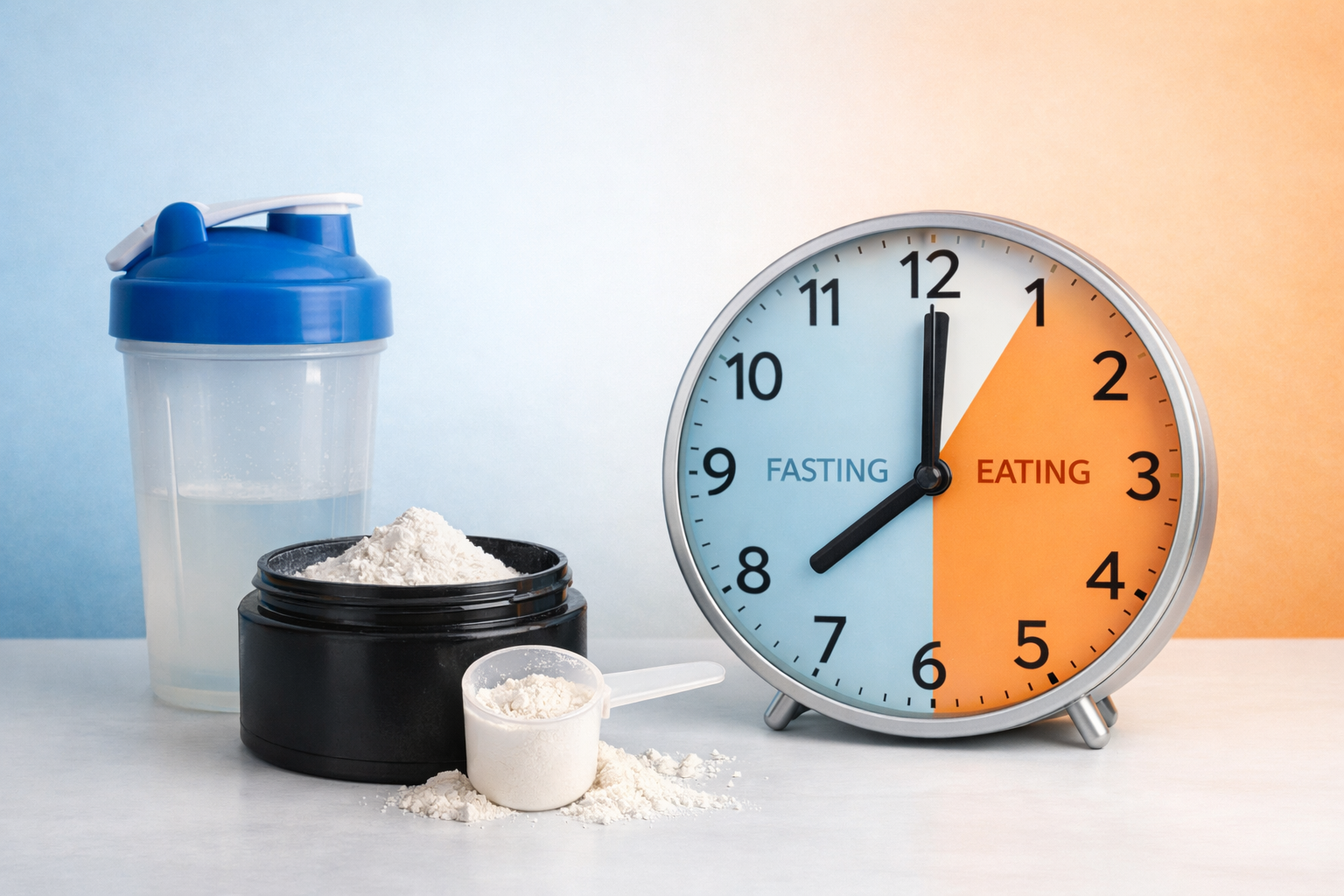
Note on intermittent fasting:
- Works for some people
- But not if struggling with hunger
- May worsen ghrelin dysregulation
- Individual response varies
Mistake 5: Not Enough Sleep
What happens:
- Sleep deprivation tanks leptin
- Simultaneously increases ghrelin
- Perfect storm for hunger
- Worst possible combination
The magnitude:
- 5 hours sleep vs. 8 hours
- 20% lower leptin
- 28% higher ghrelin
- 45% increase in hunger
- Massive impact
The research:
- Even one night of poor sleep
- Increases hunger next day
- Choose higher-calorie foods
- Reduced satiety
- Immediate effect
The solution:
- Non-negotiable 7-9 hours
- Fix sleep first
- Everything else easier
- Priority #1
Mistake 6: Chronic Cardio
What happens:
- Hours of cardio weekly
- Chronic stress on body
- Cortisol elevation
- Increases hunger
- Counterproductive
The mechanism:
- Excessive cardio is physical stress
- Elevates cortisol chronically
- Cortisol interferes with leptin
- Cortisol increases ghrelin
- Stress response
The common scenario:
- Trying to lose weight
- Do 1-2 hours cardio daily
- Constantly hungry
- Difficult to sustain deficit
- Working against yourself
The solution:
- Moderate cardio (30-45 min, 3-4x weekly)
- Prioritize resistance training
- Walking for additional activity
- Quality over quantity
The Complete Hormone-Balancing Protocol
Putting it all together.
Week-by-Week Implementation
Week 1-2: Foundation
Focus:
- Fix sleep (7-9 hours nightly)
- Increase protein (0.8-1g per pound)
- Start eating slowly (20+ minutes per meal)
- Build foundation
Why start here:
- These have immediate impact
- Relatively easy to implement
- Sets stage for everything else
- Quick wins
What to expect:
- Slight improvement in hunger
- Better energy from sleep
- More satisfied after meals
- Early signs
Week 3-4: Diet Quality
Add:
- Eliminate processed foods
- Focus on whole foods
- Add vegetables to every meal
- Increase meal volume
- Clean up diet
Why now:
- Foundation established
- Ready for bigger changes
- Diet quality matters long-term
- Build on foundation
What to expect:
- Noticeably less hunger
- Better satiety
- Stable energy
- Meaningful improvement
Week 5-6: Stress and Exercise
Add:
- Daily stress management (meditation, walking)
- Optimize exercise (not excessive)
- Morning sunlight exposure
- Lifestyle factors
Why now:
- Diet and sleep handled
- Ready for advanced strategies
- These take time to show effect
- Long-term factors
What to expect:
- Continued improvement
- Better mood
- Normalized appetite
- System working
Week 7-8: Fine-Tuning
Add:
- Implement refeed days (if needed)
- Consider supplements
- Adjust based on progress
- Optimization
What to expect:
- Appetite well-controlled
- Weight loss consistent
- Sustainable pattern
- Success
Sample Day of Hormone-Optimized Eating
Example for 170lb person (cutting):
Upon waking (7:00 AM):
- 16 oz water
- 10-20 minutes morning sunlight
- Hydration and circadian rhythm
Breakfast (8:00 AM):
- 3 whole eggs + 2 egg whites scrambled
- 1 cup vegetables (spinach, peppers, mushrooms)
- 1/2 cup oats with berries
- Coffee (black or with almond milk)
- Macros: 35g protein, 35g carbs, 18g fat, ~450 calories
- Eat slowly (20-30 minutes)
- High protein, high volume
Mid-morning (10:30 AM):
- 16 oz water
- Optional: Black coffee
- Hydration
Lunch (12:30 PM):
- 6 oz grilled chicken breast
- Large salad (3+ cups mixed greens, veggies)
- 1 medium sweet potato
- Olive oil + vinegar dressing (1 tbsp)
- Macros: 45g protein, 35g carbs, 10g fat, ~430 calories
- Eat slowly (20-30 minutes)
- High protein, high volume
Afternoon (3:00 PM):
- 16 oz water
- Walk outside 10-15 minutes
- Activity and hydration
Pre-workout (4:00 PM, if training at 5 PM):
- 1 banana
- 1 scoop whey protein
- Macros: 28g protein, 30g carbs, 2g fat, ~250 calories
- Quick fuel
Dinner (7:00 PM):
- 6 oz salmon
- 1 cup brown rice
- 2 cups roasted vegetables (broccoli, carrots, brussels sprouts)
- Macros: 42g protein, 45g carbs, 16g fat, ~490 calories
- Eat slowly (20-30 minutes)
- Satisfying meal
Evening (9:00 PM):
- 1 cup Greek yogurt (0-2% fat)
- 1/2 cup berries
- Macros: 20g protein, 25g carbs, 2g fat, ~200 calories
- Optional dessert
- Protein before bed
Before bed (10:00 PM):
- Wind down routine
- No screens
- Dark, cool room
- Sleep by 10:30 PM
- 7.5 hours sleep
Daily totals:
- Protein: 170g (1g per pound)
- Carbs: 170g
- Fat: 48g
- Calories: ~1,820
- Balanced, sustainable
Why this works:
- High protein every meal (ghrelin suppression)
- High volume foods (stomach distension)
- Eating slowly (satiety timing)
- Regular meals (stable ghrelin)
- Good sleep (leptin and ghrelin optimization)
- All strategies integrated
Supplements for Hunger Control
Evidence-based options that may help.
Tier 1: Strong Evidence
Protein powder:
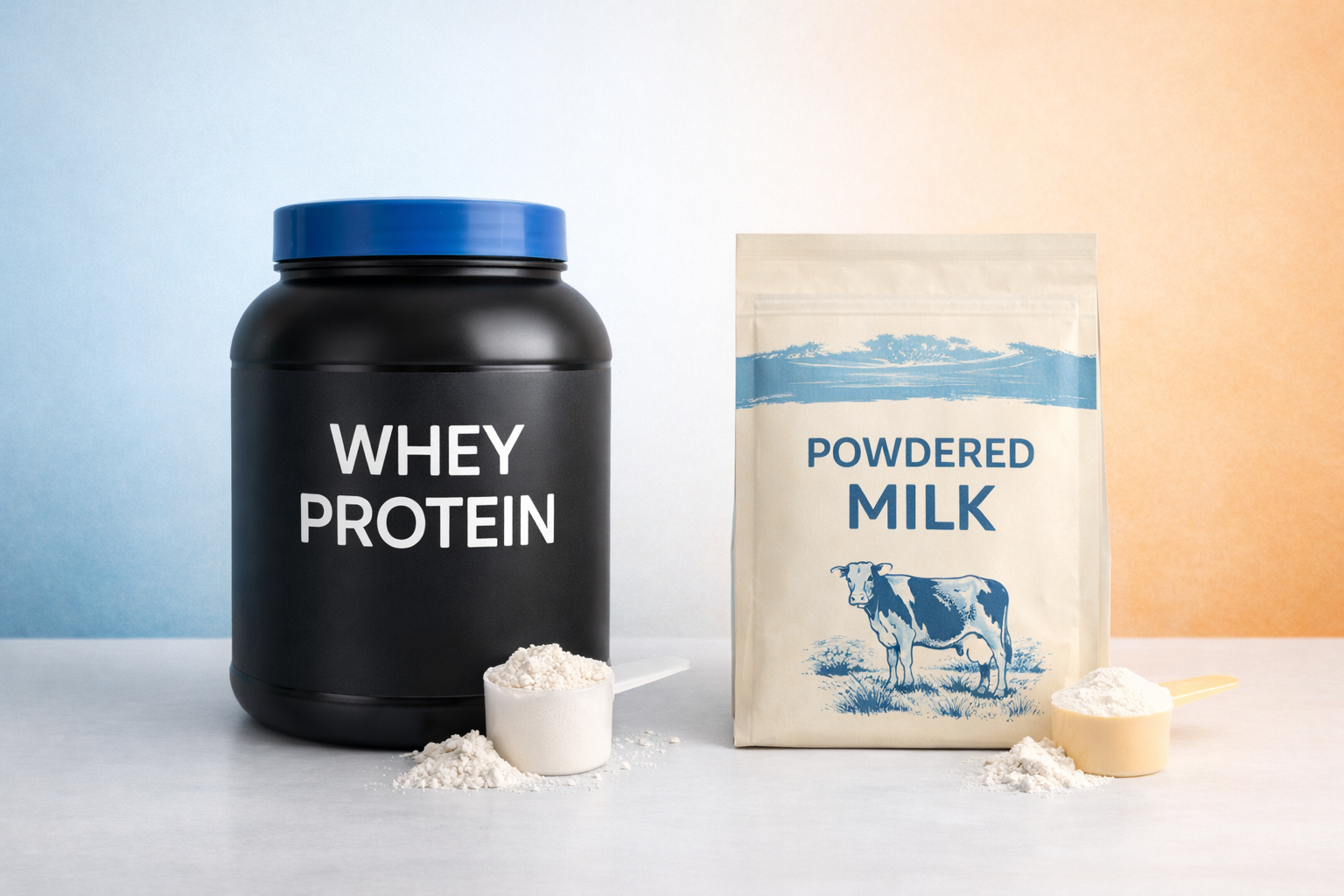
- Convenient protein source
- Highly satiating
- Whey or casein both work
- 20-30g per shake
- Most practical supplement
Omega-3 fish oil:
- Reduces inflammation
- Improves leptin sensitivity
- 2-3g EPA+DHA daily
- Strong evidence
Fiber supplements:
- Glucomannan most studied
- Expands in stomach
- Increases satiety
- 1-3g before meals with water
- Physical satiety
Tier 2: Moderate Evidence
Vitamin D:
- Deficiency linked to leptin resistance
- Supplement if deficient (most people are)
- 2000-4000 IU daily
- Get blood levels tested
- If deficient
Zinc:
- Required for leptin function
- Many people deficient
- 15-30mg daily
- Don’t exceed upper limit
- Supports leptin
5-HTP:
- Serotonin precursor
- May reduce appetite
- 50-100mg before meals
- Some evidence for reducing carb cravings
- May help some people
Tier 3: Weak Evidence
Green tea extract:
- Modest effect on appetite
- Some fat burning benefit
- 300-400mg EGCG daily
- Minor effect
Conjugated linoleic acid (CLA):
- Mixed evidence
- May help some people
- 3-6g daily
- Inconsistent results
What Doesn’t Work
“Leptin supplements”:
- Leptin can’t be taken orally
- Destroyed in digestion
- These are scams
- Don’t waste money
Most fat burners:
- Just stimulants (caffeine, synephrine)
- Don’t fix hormones
- May worsen sleep
- Not addressing root cause
Appetite suppressants (pharmaceutical):
- Short-term only
- Side effects
- Don’t fix underlying issue
- Not sustainable
The Bottom Line: Fix Hormones, Control Hunger
After explaining everything:
The truth about leptin and ghrelin:
✅ These hormones control appetite more than willpower (biochemistry, not character flaw)
✅ Leptin resistance is common and fixable (takes time but works)
✅ High ghrelin makes you physiologically hungrier (not psychological weakness)
✅ Diet can worsen or improve hormone function (food choices matter)
✅ Sleep is the most powerful intervention (non-negotiable)
Key takeaways:
About leptin:
- Produced by fat cells
- Signals “you’re full, stop eating”
- Leptin resistance = brain doesn’t hear signal
- Common in overweight individuals
- Causes: inflammation, high triglycerides, poor diet, lack of sleep
- Fix: moderate deficit, diet quality, sleep, stress management, refeed days
About ghrelin:
- Produced by stomach
- Signals “you’re hungry, find food”
- Chronically elevated = constant hunger
- Causes: dieting, poor sleep, stress, low protein, eating too fast
- Fix: high protein, high volume foods, eat slowly, sleep, stress management
The protocol:
Week 1-2 (Foundation):
- 7-9 hours sleep nightly
- 0.8-1g protein per pound daily
- Eat slowly (20+ minutes per meal)
Week 3-4 (Diet quality):
- Eliminate processed foods
- High-volume whole foods
- Vegetables at every meal
Week 5-6 (Lifestyle):
- Daily stress management
- Optimize exercise (not excessive)
- Morning sunlight
Week 7-8 (Fine-tuning):
- Refeed days if needed
- Consider supplements
- Adjust as needed
Expected timeline:
- Week 1-2: Minimal change (foundation building)
- Week 3-4: Noticeable improvement (less hunger)
- Week 6-8: Significant improvement (appetite controlled)
- Month 3+: Normalized appetite (sustainable pattern)
Priority hierarchy:
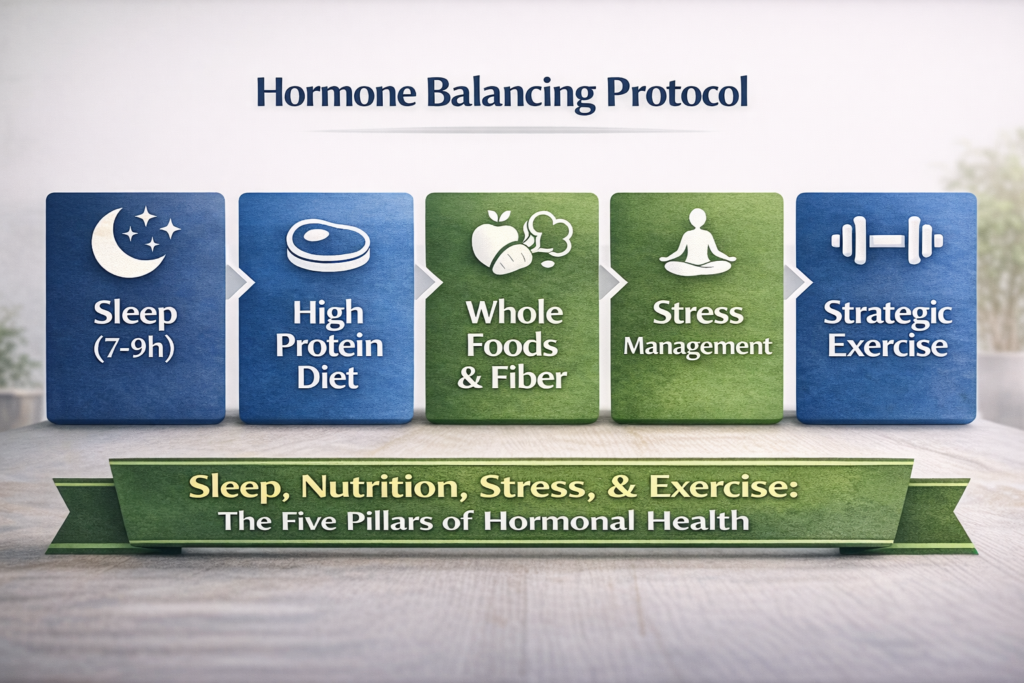
- Sleep (7-9 hours nightly) – Most powerful
- Protein (0.8-1g per pound) – Most satiating
- Diet quality (whole foods, eliminate processed) – Reduces inflammation
- Stress management (daily practice) – Lowers cortisol
- Eating slowly (20+ minutes per meal) – Allows satiety
- Exercise properly (not excessive) – Improves sensitivity
What won’t work:
- Willpower alone (fighting biology)
- Extreme calorie restriction (worsens hormones)
- Ignoring sleep (undermines everything)
- Excessive cardio (increases stress)
- Magic pills (don’t address root cause)
THIS ISN’T ABOUT WILLPOWER. IT’S ABOUT HORMONES. FIX THE HORMONES, CONTROL THE HUNGER.
Ready to build a complete nutrition and lifestyle system that balances your hunger hormones naturally, eliminates constant cravings, makes fat loss effortless, and teaches you sustainable habits that last forever? Understanding leptin and ghrelin is just the beginning. Get a comprehensive guide to optimizing all aspects of metabolism, building meal plans that satisfy naturally, implementing proven lifestyle strategies, and achieving your leanest physique without constant hunger. Stop fighting your biology. Start working with your hormones to achieve lasting results.



Leave a Reply
You must be logged in to post a comment.