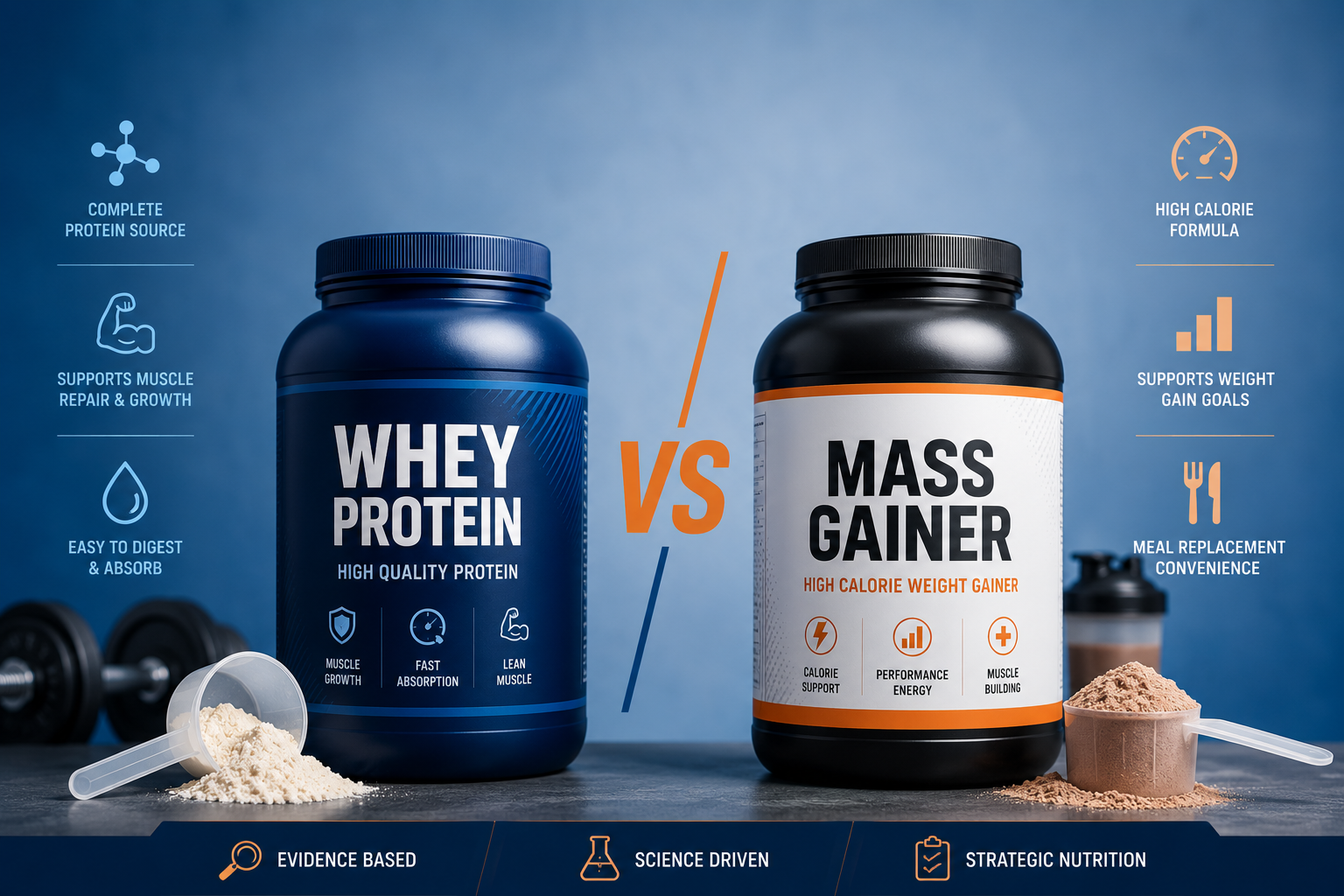
You’re standing in your kitchen with a tub of mass gainer in one hand and a container of whey protein in the other, wondering: should I mix both of these together? Will combining them give me better results? Or am I just wasting money and consuming unnecessary calories?
Mass gainer and whey protein are both useful supplements for those looking to build muscle. However, a common question is whether you can take mass gainer and whey protein together.
While you can take mass gainer and whey protein together to consume all the calories and protein you need in a day, you likely don’t need to use both simultaneously. Mass gainer alone generally provides sufficient protein, and adding whey can be unnecessary and expensive. This doesn’t mean mass gainer is better than whey, but rather that using both simultaneously may not be worthwhile.
For people trying to optimize their supplementation strategy, understanding when to use mass gainer, when to use whey protein, and whether combining them makes sense can save hundreds of dollars annually while still achieving excellent muscle-building results. Many lifters waste money on redundant supplements or create unnecessarily complicated routines when simpler approaches would work better.
In this comprehensive guide, I’ll explain the key differences between mass gainer and whey protein (calories, macros, purpose), whether it’s safe to mix them together and what happens when you do, specific scenarios where combining them actually makes sense, when using both is wasteful and counterproductive, optimal timing strategies for each supplement individually, and cost-effective alternatives that deliver the same results.
Whether you’re a hardgainer trying to pack on size, an athlete optimizing protein intake, or someone confused about supplement stacking, understanding the relationship between mass gainer and whey protein will help you make informed, cost-effective decisions.
Let’s examine everything you need to know about combining these two popular supplements.
TABLE OF CONTENTS
Key Points to Understand First
Before diving deep, here are the fundamental truths about mass gainer and whey protein:
Mass gainer is more caloric and contains all 3 macros (protein, carbohydrates, and fats), making it a better option for those who want to gain weight or use it as a meal replacement.
Whey protein has fewer calories and is better for those who want to increase only protein intake but don’t need much help reaching their daily calorie needs.
Mixing mass gainer and whey protein together may not be worthwhile, since mass gainer alone can deliver all the protein you need in a protein shake.
There’s evidence suggesting the ideal protein per meal is about 25-30g to maximize muscle protein synthesis rates. Consuming more isn’t wasted, but you won’t get an even higher anabolic response.
In some cases, mixing mass gainer and whey protein can result in 60-80g protein in one meal, which is simply unnecessary and could be better distributed throughout the day.
Now let’s examine each aspect in detail.
Mass Gainer vs. Whey Protein: What Are the Key Differences?
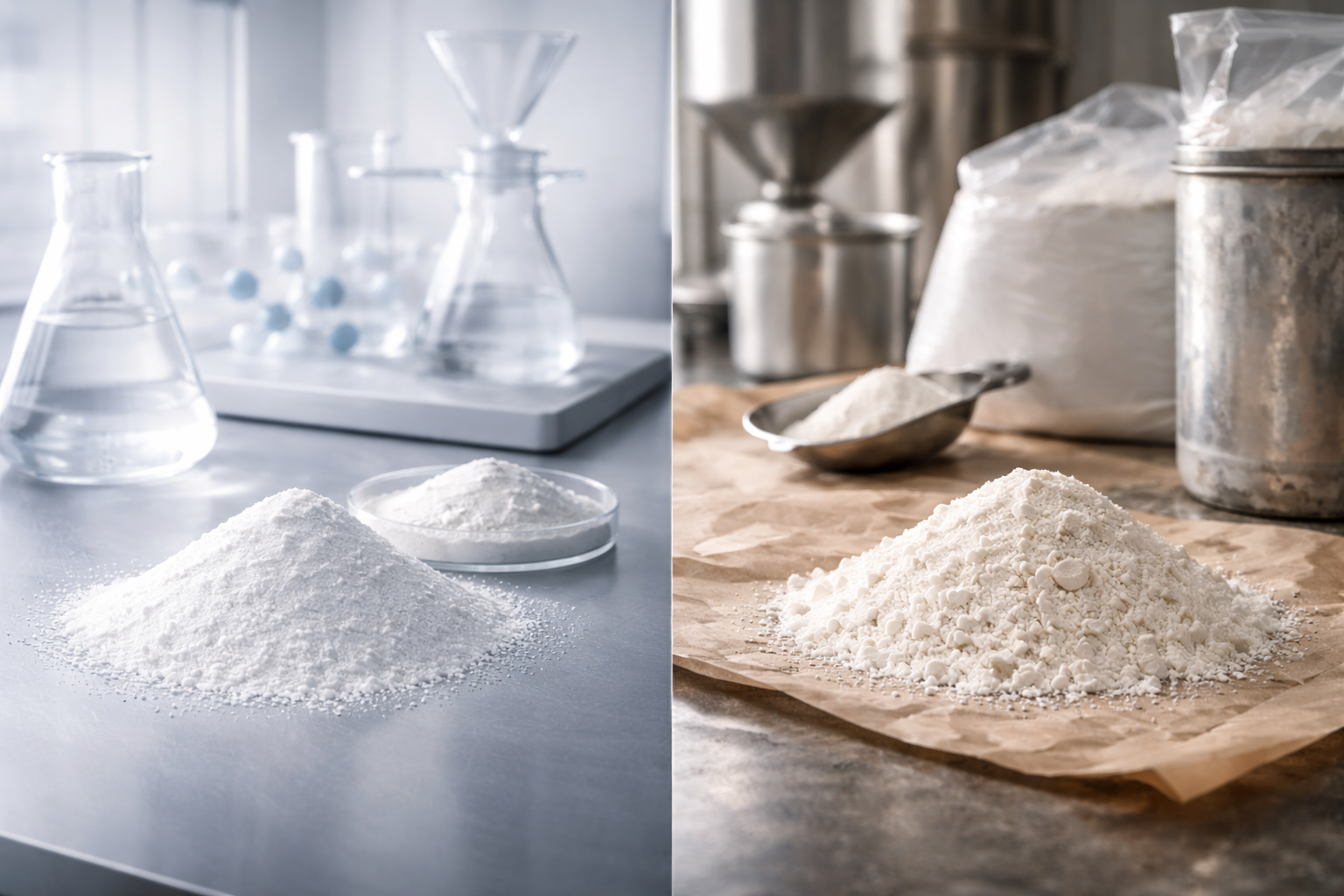
Understanding the fundamental differences between these supplements is essential before deciding whether to use them together.
Difference 1: Calorie Content
One of the most notable and obvious differences between mass gainer and whey protein is the amount of calories each provides.
Whey protein is relatively low in calories, while mass gainers – as the name strongly suggests – contain considerably more calories per serving.
Typical whey protein concentrate:
- Calories per serving: 100-150
- Serving size: 30g powder (1 scoop)
- Primary purpose: Protein supplementation
- Minimal impact on daily calorie intake
Example whey products:
- Optimum Nutrition Gold Standard Whey: 120 calories per scoop
- Dymatize ISO-100: 110 calories per scoop
- MyProtein Impact Whey: 103 calories per scoop
Typical mass gainer:
- Calories per serving: 500-1,500
- Serving size: 150-350g powder (4-12 scoops)
- Primary purpose: Calorie supplementation
- Significant impact on daily calorie intake
Example mass gainer products:
- Optimum Nutrition Serious Mass: 1,250 calories per serving
- BSN True-Mass: 700 calories per serving
- Dymatize Super Mass Gainer: 1,280 calories per serving
- MuscleTech Mass-Tech: 830 calories per serving
The calorie difference is massive:
- Whey protein: 100-150 calories
- Mass gainer: 500-1,500 calories
- Mass gainer provides 3-15x more calories per serving
Why This Calorie Difference Matters
For someone trying to gain weight:
Imagine you’re a hardgainer who needs 3,500 calories daily but can only eat 2,800 calories from solid food (you get full easily, have a small appetite, or are busy).
Using whey protein:
- 2,800 calories from food
- Plus 3 whey shakes (450 calories total)
- Total: 3,250 calories (250 short of target)
- Still struggling to hit calorie goals
Using mass gainer:
- 2,800 calories from food
- Plus 1 mass gainer shake (700 calories)
- Total: 3,500 calories (exactly at target)
- Easy to hit calorie goals
The calorie density of mass gainer makes it superior for this specific goal.
For someone cutting or maintaining:
Imagine you’re cutting on 2,000 calories daily and need 160g protein.
Using mass gainer:
- One serving (700 calories, 50g protein)
- That’s 35% of your daily calorie budget for only 31% of your protein target
- Leaves only 1,300 calories for actual food
- Very restrictive and unsustainable
Using whey protein:
- Three servings (360 calories, 75g protein)
- That’s 18% of your daily calorie budget for 47% of your protein target
- Leaves 1,640 calories for actual food
- Much more flexible and sustainable
The lower calories of whey protein make it superior for this specific goal.
Difference 2: Macronutrient Composition
Another difference between mass gainer and whey protein is the proportion of macronutrients in each supplement. Whey provides mainly one macronutrient, while mass gainer provides basically all three.
Whey protein macronutrient breakdown:
Typical whey concentrate (30g serving):
- Protein: 24g (80% of powder by weight)
- Carbohydrates: 3g (10%)
- Fats: 2g (7%)
- Other: 1g (flavorings, etc.)
Macros as percentage of calories:
- Protein: 80% (24g × 4 cal/g = 96 cal)
- Carbs: 10% (3g × 4 cal/g = 12 cal)
- Fats: 10% (2g × 9 cal/g = 18 cal)
- Total: 126 calories, heavily protein-focused
Whey protein isolate is even more protein-focused:
- Protein: 90-95% of calories
- Carbs: 0-5%
- Fats: 0-5%
Mass gainer macronutrient breakdown:
Typical mass gainer (150g serving):
- Protein: 50g (33% of powder)
- Carbohydrates: 110g (73%)
- Fats: 8g (5%)
- Other: 2g
Macros as percentage of calories:
- Protein: 29% (50g × 4 = 200 cal)
- Carbs: 64% (110g × 4 = 440 cal)
- Fats: 10% (8g × 9 = 72 cal)
- Total: 712 calories, heavily carb-focused
The composition reveals different purposes:
Whey protein is:
- Pure protein delivery
- Minimal carbs and fats
- Not a complete meal
- Must be combined with other foods for balanced nutrition
Mass gainer is:
- Balanced macro distribution
- Significant carbs for calories and energy
- Includes all macros
- Can serve as meal replacement
Why This Composition Difference Matters
For meal replacement purposes:
Whey protein alone as “meal”:
- 120 calories, 24g protein, 3g carbs, 2g fat
- Not satisfying or balanced
- Missing most of a meal’s nutrition
- Would need to add oats, banana, peanut butter, etc.
- At that point, you’ve created… a mass gainer
Mass gainer as meal:
- 700 calories, 50g protein, 110g carbs, 8g fat
- Reasonably balanced
- Provides sustained energy
- Can legitimately replace a meal in a pinch
- Convenient when whole foods aren’t available
For targeted protein supplementation:
Whey protein:
- Adds protein without adding excessive carbs/fats
- Useful when you’ve already hit carb/fat targets but need more protein
- Fits into tight macro budgets
- Flexibility in diet design
Mass gainer:
- Adds protein but also substantial carbs and fats
- Less useful when you specifically need just protein
- Can push you over carb/fat targets
- Less flexible
Example scenario:
You’ve eaten throughout the day and your current macros are:
- Protein: 120g (target 180g – need 60g more)
- Carbs: 280g (target 300g – need 20g more)
- Fats: 65g (target 70g – need 5g more)
Using whey protein (2 scoops):
- Adds: 48g protein, 6g carbs, 4g fat
- New totals: 168g protein, 286g carbs, 69g fat
- Close to all targets, fits perfectly
Using mass gainer (1 serving):
- Adds: 50g protein, 110g carbs, 8g fat
- New totals: 170g protein, 390g carbs, 73g fat
- Protein good, but carbs way over target (90g excess)
Whey protein provides the precision mass gainer can’t.
Difference 3: Your Goal and Use Case
Another major difference between mass gainer and whey is the intended use of the supplement. In other words, your goal when using these supplements.
Whey protein is primarily used to increase dietary protein intake and thus contribute to muscle hypertrophy.
Ideal for:
- People who can easily eat enough calories from food
- Those tracking macros closely (cutting or lean bulking)
- Athletes needing high protein without excess calories
- Anyone who wants protein supplementation only
Example profile – whey user:
- 175 lb lifter maintaining at 2,600 calories
- Easily eats 2,600 calories from food
- Needs 175g protein daily
- Gets 130g from food (chicken, eggs, Greek yogurt, etc.)
- Uses 2 whey shakes for remaining 45g protein
- Whey adds 240 calories (easily fits into 2,600 total)
- Result: Hits protein target without excess calories
Mass gainers are intended to be used as a tool to supplement daily calorie needs when solid food alone cannot do this.
Ideal for:
- Hardgainers who struggle to eat enough food
- People with very high calorie needs (3,500-4,500+)
- Those who are very busy and skip meals
- Athletes in heavy training with massive energy demands
Example profile – mass gainer user:
- 155 lb hardgainer bulking at 3,500 calories
- Can only eat 2,700 calories from food (gets full easily)
- Needs 800 more calories daily
- Uses 1 mass gainer shake (800 calories, 60g protein)
- Also provides protein contribution
- Result: Hits calorie target, makes weight gain possible
Since mass gainer can provide many calories per serving and easily make you exceed your daily calorie needs, weight gain is typically the primary goal for using this category of supplement.
The fundamental difference:
- Whey protein: Protein tool (secondarily adds calories)
- Mass gainer: Calorie tool (secondarily adds protein)
Both add protein, but the primary purpose differs.
Side-by-Side Comparison
Let’s compare them directly:
| Feature | Whey Protein | Mass Gainer |
|---|---|---|
| Calories per serving | 100-150 | 500-1,500 |
| Protein per serving | 20-30g | 40-60g |
| Carbs per serving | 1-5g | 100-250g |
| Fats per serving | 1-3g | 5-15g |
| Primary purpose | Protein supplementation | Calorie supplementation |
| Ideal for | Cutting, maintaining, precise macro tracking | Bulking, hardgainers, high calorie needs |
| Meal replacement? | No (too low calorie, unbalanced) | Yes (sufficient calories, balanced macros) |
| Cost per serving | $0.50-1.50 | $2.00-4.00 |
| Servings per day typically | 1-3 | 1-2 |
The key insight: They serve different primary purposes, which is why combining them often doesn’t make sense.
Is It Safe to Mix Mass Gainer With Whey Protein?
The short answer: Yes, it’s perfectly safe. The longer answer: It’s safe but usually unnecessary and potentially wasteful.
Safety Perspective
From a health and safety standpoint, there are no problems mixing mass gainer with whey protein.
Both are food products:
- Mass gainer contains: Protein powder, carbohydrate sources (maltodextrin, oats, etc.), small amounts of fat, vitamins/minerals
- Whey protein contains: Whey protein isolate or concentrate, minimal carbs/fats, flavorings
- No dangerous interactions between ingredients
Your digestive system handles them fine:
- Both are designed to be digested
- No toxic combinations
- No dangerous nutrient interactions
- Comparable to eating a protein-rich meal with extra protein on top
Kidney health concerns (debunked):
- Old myth: High protein damages kidneys
- Research: No evidence in healthy individuals
- Multiple studies show healthy kidneys handle high protein fine
- Only concern for those with pre-existing kidney disease
So yes, combining them is safe. But “safe” doesn’t mean “smart” or “necessary.”
The Protein Overload Problem
However, the amount of protein you’ll be consuming by combining both supplements can be high enough to become unnecessary.
There’s evidence in the literature suggesting the ideal amount of protein to consume per meal is about 25-30 grams to maximize the rate of muscle building. Consuming more than this won’t be wasted, but you won’t get an even higher anabolic rate by doing so.
The research on per-meal protein:
Study 1 – Dose-response relationship:
- Examined muscle protein synthesis (MPS) response to different protein doses
- Results:
- 20g protein: Near-maximal MPS stimulation
- 40g protein: Only ~5-10% more MPS than 20g
- 60g+ protein: No additional MPS beyond 40g
- Conclusion: Diminishing returns beyond 20-30g per meal
Study 2 – Younger vs. older adults:
- Younger adults (20-30 years): Maximal MPS at ~20-25g protein
- Older adults (60+ years): Maximal MPS at ~30-40g protein (anabolic resistance)
- Athletic populations: ~30-40g may be optimal due to higher lean mass
- Most people max out MPS around 25-40g protein per meal
Study 3 – Frequency vs. amount:
- Compared: 3 meals with 30g protein each vs. 1 meal with 90g protein
- Result: 3 meals with 30g each produced more total daily MPS
- Implication: Spreading protein across meals is better than massive single doses
What this means practically:
Optimal approach:
- 25-40g protein per meal
- 4-5 meals daily
- Total: 100-200g protein spread throughout day
- Maximizes MPS across the entire day
Suboptimal approach:
- 60-80g protein in one shake (mass gainer + whey)
- 10-20g protein in other meals
- Total: Same 100-200g protein but poorly distributed
- Wastes potential MPS stimulation opportunities
The Math on Combining Them
In some cases, mixing a serving of mass gainer and whey protein can result in 60-80 grams of protein in a single meal, which is simply unnecessary.
Example calculation:
Mass gainer (standard serving):
- 50g protein
- 110g carbs
- 8g fat
- 712 calories
Plus whey protein (2 scoops):
- 48g protein
- 6g carbs
- 4g fat
- 240 calories
Combined totals:
- 98g protein (way beyond optimal 25-40g)
- 116g carbs
- 12g fat
- 952 calories
- In a single shake!
The problems with this:
Protein distribution:
- 98g in one shake leaves little protein distributed across other meals
- If you need 180g daily, that’s 54% in one meal
- Remaining 82g spread across 3-4 meals = only 20-27g per meal
- Suboptimal distribution (one massive dose, other meals too low)
Digestive load:
- 952 calories in liquid form
- Huge volume in stomach
- May cause bloating, discomfort, nausea
- Difficult to consume comfortably
Cost inefficiency:
- That 98g of protein likely cost $2.50-3.50
- The protein beyond ~30-40g provides minimal additional benefit
- You’re paying for protein you’re not maximally utilizing
Practical issues:
- Very thick shake (difficult to mix and drink)
- Takes a long time to consume
- May interfere with appetite for next meal
- Inconvenient
When The Combination Might Make Sense
Despite the issues, there are specific scenarios where combining them could work:
Scenario 1: You’re a very large individual with enormous protein needs
Profile:
- 250+ lb bodybuilder or strength athlete
- Protein needs: 250-300g daily
- Very high calorie needs: 4,000-5,000+
Why it might work:
- Your per-meal protein threshold may be higher (more muscle mass)
- You need huge amounts of both protein and calories
- Mass gainer alone might not provide enough protein for your size
- Combined shake delivers 98g protein, which might be appropriate for someone this size
Even then:
- Could likely achieve same result with larger mass gainer serving
- Or two separate shakes spaced 2-3 hours apart
- Still questionable if combination is optimal
Scenario 2: You’re using smaller servings of each
Modified approach:
- Half serving mass gainer (25g protein, 350 calories)
- One scoop whey (24g protein, 120 calories)
- Total: 49g protein, 470 calories
Why this works better:
- Protein amount is reasonable (49g could work for larger individuals)
- Not as excessive as full servings of both
- Still probably unnecessary, but less wasteful
Scenario 3: You’re splitting the shake into two servings
Strategy:
- Make massive combined shake in morning
- Drink half immediately (49g protein)
- Save half for afternoon (49g protein)
- Effectively two separate protein feedings
Why this works:
- Distributes protein across day
- Each feeding is reasonable amount
- More practical than full serving at once
But honestly: Just make two separate shakes with appropriate serving sizes. Simpler and more flexible.
The Verdict on Safety
Is it safe? Yes. Is it smart? Usually no. Are there exceptions? A few, but rare.
If you still want to use both supplements, it would be more interesting to simply use them at separate times throughout the day.
This brings us to the practical strategies for combining them effectively (if you choose to).
4 Tips for Combining Mass Gainer and Whey Protein
If you still want to use mass gainer and whey protein together, keep these 4 tips in mind:
Tip 1: Track Calories and Macronutrients Carefully
Combining your mass gainer and whey protein can exceed your daily calorie and protein goals. To avoid this, plan your meals and track your mass gainer/whey combination in your daily food log.
Why tracking is critical when combining:
Without tracking:
- Easy to overshoot calorie targets by 500-1,000 calories
- Can exceed protein needs by 50-100g daily
- No awareness of how combination affects overall daily intake
- May sabotage cutting goals or overshoot bulking surplus
With tracking:
- Know exactly how combination fits into daily totals
- Can adjust other meals accordingly
- Stay within target calorie range
- Optimize macro distribution
How to track effectively:
Step 1: Log the combined shake first thing in morning
- Know your starting point for the day
- Plan remaining meals around it
Example:
- Combined shake: 950 calories, 98g protein, 116g carbs, 12g fat
- Daily targets: 3,200 calories, 200g protein, 350g carbs, 80g fat
- Remaining needed: 2,250 calories, 102g protein, 234g carbs, 68g fat
- Now you can plan 3-4 more meals to hit these remaining targets
Step 2: Use a food tracking app
- MyFitnessPal, Cronometer, or similar
- Create a “custom food” entry for your specific combination
- Save it for easy logging
Step 3: Adjust other meals
- If combined shake is very high protein, reduce protein in other meals
- Use more carb-focused or fat-focused foods to balance
- Vegetables, rice, potatoes, oils can help balance without adding more protein
The math example:
Without the combined shake, your typical day might be:
- Meal 1: 600 cal, 40g protein
- Meal 2: 700 cal, 45g protein
- Meal 3: 800 cal, 50g protein
- Meal 4: 650 cal, 40g protein
- Snacks: 450 cal, 25g protein
- Total: 3,200 cal, 200g protein
With combined shake replacing Meal 1:
- Shake: 950 cal, 98g protein (58g excess protein for this meal)
- Meal 2: Reduce to 500 cal, 25g protein (remove protein, keep carbs/fats)
- Meal 3: Reduce to 600 cal, 30g protein
- Meal 4: Keep at 650 cal, 40g protein
- Snacks: Reduce to 300 cal, 10g protein (maybe just fruit)
- Total: 3,000 cal, 203g protein
Notice: Had to reduce protein in ALL other meals to avoid going way over. This is inefficient distribution.
Tip 2: Prioritize Whole Food Protein Sources
It’s completely acceptable to use mass gainer and whey protein supplements to meet your nutritional goals, as long as they don’t represent the majority of your caloric intake.
I recommend keeping calories from supplements at 20% or less of your total intake, so the remaining 80% comes from whole foods.
Why whole foods should dominate:
Micronutrients:
- Whole foods provide vitamins, minerals, phytonutrients
- Supplements are fortified but don’t match whole food nutrition
- Deficiencies possible if supplement-heavy diet
Fiber:
- Whole foods contain fiber (digestion, satiety, health)
- Supplements contain minimal to no fiber
- Important for gut health and fullness
Satiety:
- Solid food is more filling than liquid calories
- Chewing signals satiety
- Liquid calories less satisfying despite same energy
Variety:
- Different foods provide different nutrients
- Eating only supplements is nutritionally incomplete
- Health requires dietary diversity
Sustainability:
- All-supplement diet is miserable long-term
- Enjoying food is part of healthy relationship with eating
- Supplements are tools, not replacements for real food
The 80/20 guideline in practice:
Example 1 – 3,000 calorie bulk:
- Total calories: 3,000
- Maximum from supplements (20%): 600 calories
- Minimum from whole foods (80%): 2,400 calories
If using combined shake (950 calories):
- Already at 32% from supplements (exceeded 20% guideline)
- Only 2,050 calories left for whole foods
- Problematic
If using mass gainer alone (700 calories):
- 23% from supplements (slightly over but reasonable)
- 2,300 calories from whole foods
- Better balance
Example 2 – 3,500 calorie bulk:
- Total calories: 3,500
- Maximum from supplements (20%): 700 calories
- Minimum from whole foods (80%): 2,800 calories
If using combined shake (950 calories):
- 27% from supplements (moderately over guideline)
- 2,550 calories from whole foods
- Not ideal but more acceptable at higher calorie needs
The guideline is flexible but important. If you find yourself getting 40-50% of calories from supplements, you’re doing it wrong.
Tip 3: Take Each Supplement Separately
Instead of combining the two supplements, you can try using your whey protein as a snack and taking your mass gainer as a post-workout meal (or vice versa).
This will be better if you discover that combining the two powders causes digestive issues.
Why separate consumption is often superior:
Better protein distribution:
- Mass gainer at one time: 50g protein
- Whey at another time: 24g protein
- Two separate MPS stimulation events instead of one
- Better utilization of total protein consumed
Reduced digestive stress:
- Smaller volume per consumption
- Easier to digest
- Less bloating and discomfort
- Better tolerance
More flexible timing:
- Can time each supplement for specific purposes
- Mass gainer post-workout for calories and recovery
- Whey protein as snack between meals for protein boost
- Customizable to your schedule
Example daily schedule:
Scenario A – Separate timing:
- 7 AM: Breakfast (whole foods, 35g protein)
- 10 AM: Whey protein shake (24g protein, 120 calories)
- 1 PM: Lunch (whole foods, 45g protein)
- 4 PM: Train
- 5 PM: Mass gainer shake (50g protein, 700 calories)
- 8 PM: Dinner (whole foods, 40g protein)
- Total: 194g protein, well distributed across 6 feedings
Scenario B – Combined (problematic):
- 7 AM: Breakfast (whole foods, 35g protein)
- 10 AM: Nothing
- 1 PM: Lunch (whole foods, 45g protein)
- 4 PM: Train
- 5 PM: Combined shake (98g protein, 950 calories)
- 8 PM: Dinner (whole foods, 20g protein – reduced because shake was so high)
- Total: 198g protein, poorly distributed (one massive dose, others too small)
The separate timing approach is clearly superior for protein utilization.
Practical separation strategies:
Strategy 1: Time-based separation
- Mass gainer: Morning or post-workout
- Whey protein: Afternoon or evening
- Minimum 3-4 hours between
Strategy 2: Purpose-based separation
- Mass gainer: Post-workout (calories and protein for recovery)
- Whey protein: Between meals as snack (protein boost only)
Strategy 3: Day-based separation (advanced)
- Mass gainer: Training days only (need extra calories)
- Whey protein: Rest days (maintain protein without excess calories)
This last strategy is actually quite smart for many people.
Tip 4: Use Similar Flavors of Both Supplements
Mass gainers are notorious for having “peculiar” flavors.
If you go further and mix different flavors of mass gainer and whey protein, you can create a horrible combination that will make consuming both difficult (at least together).
To avoid this, try to stick with similar flavors of each supplement (for example, vanilla-flavored mass gainer and vanilla-flavored whey protein).
Why flavor compatibility matters:
The flavor clash problem:
- Chocolate mass gainer + vanilla whey = weird milkshake attempt
- Strawberry mass gainer + chocolate whey = confusing mess
- Banana mass gainer + cookies & cream whey = regrettable decision
Why mass gainers have “peculiar” flavors:
- High maltodextrin content (very sweet, sometimes chemical taste)
- Multiple ingredients competing (protein, carbs, fats, vitamins)
- Cheaper ingredients often used (affects flavor quality)
- Large serving size amplifies any off-flavors
Flavor matching strategies:
Option 1: Both vanilla (safest choice)
- Vanilla is neutral and blends well
- Can add own flavorings (cocoa powder, fruit, etc.)
- Most universally acceptable
- Least likely to clash
Option 2: Both chocolate
- Chocolate on chocolate is redundant but not bad
- May be very sweet (double chocolate)
- Some people love it, others find it too much
- Generally acceptable
Option 3: Both unflavored
- Most flexible option
- Add your own flavorings exactly to taste
- Tends to be cheaper
- Requires effort to make palatable
Option 4: Complementary flavors
- Vanilla mass gainer + chocolate whey = chocolate vanilla (works)
- Chocolate mass gainer + peanut butter whey = PB cup flavor (works)
- Vanilla mass gainer + strawberry whey = strawberry milkshake (works)
Avoid these combinations:
- Fruit flavors + chocolate (usually bad)
- Multiple fruit flavors together (confused taste)
- Cookies & cream + anything other than vanilla (too complex)
Taste-testing tip:
- Buy single-serving packets first
- Test combinations before committing to large containers
- What sounds good might taste terrible
- Personal preference varies widely
The reality: If the combined shake tastes bad, you won’t consistently drink it, defeating the purpose entirely.
What’s the Best Time to Take Mass Gainer?
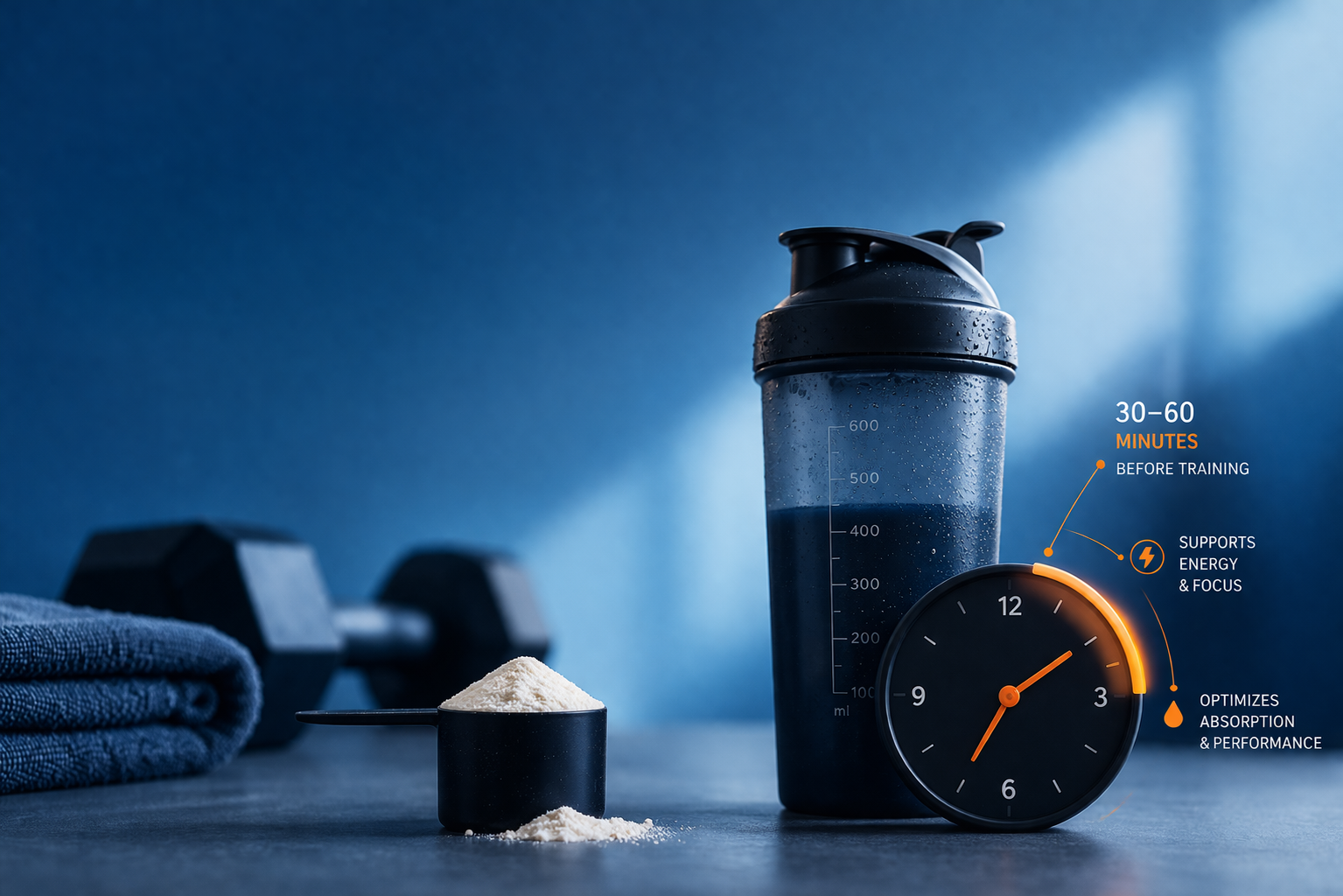
Although you can take mass gainer at any time of day, the best times are pre- and post-workout.
Why Pre- and Post-Workout Timing Works
This is because the carbohydrates in mass gainer provide fuel for your workout, and the protein will help rebuild and repair the muscle that was broken down during your training session.
Pre-workout mass gainer (60-90 minutes before training):
Benefits:
- Carbs provide energy for training
- Prevents training in depleted state
- Supports performance and intensity
- Protein available for recovery immediately after
Practical considerations:
- Need 60-90 minutes to digest (large volume)
- Too close to training = digestive discomfort
- May cause bloating or nausea during training
- Individual tolerance varies
Post-workout mass gainer (within 2 hours after training):
Benefits:
- Replenishes glycogen stores depleted during training
- Provides protein for muscle repair
- Convenient when appetite is suppressed post-workout
- Takes advantage of post-workout nutrient sensitivity
Practical considerations:
- Most popular timing for mass gainer
- Easy to consume when solid food appetite is low
- Liquid form digests faster than solid food
- Contributes significantly to daily calorie total
The research on nutrient timing:
The “anabolic window” (mostly debunked):
- Old belief: Must consume protein within 30 minutes post-workout
- Modern research: Window is actually several hours, not urgent
- What matters most: Total daily protein and calories
- Timing is a minor optimization, not critical
However, post-workout is still convenient:
- Good habit to establish
- Ensures you get calories and protein
- Prevents skipping meals due to low appetite
- Psychologically satisfying ritual
Other effective times for mass gainer:
Upon waking (morning):
- Breaks overnight fast
- Kickstarts calorie intake for the day
- Convenient when you don’t feel like cooking breakfast
- Sets up positive calorie balance early
Before bed:
- Provides calories during overnight fast
- Slow-digesting carbs and protein
- Can help with morning hunger
- Controversial (may disrupt sleep in some people)
Between meals:
- Fills calorie gaps
- Prevents long fasting periods
- Maintains steady nutrient intake
- Convenient when whole food isn’t practical
The key principle: Consistency matters more than perfect timing. Take mass gainer when it fits your schedule and helps you hit daily targets.
What’s the Best Time to Take Whey Protein?
Similar to mass gainer, whey protein can be taken at any time of day, however, the best time to take it is after training.
Why Post-Workout Timing for Whey Protein
This is because taking a fast-absorbing protein like whey after training will immediately provide the muscles you just worked with amino acids necessary to rebuild and grow.
The science of whey protein absorption:
Whey protein is fast-digesting:
- Begins absorbing within 20-30 minutes
- Peak blood amino acid levels at 60-90 minutes
- Compared to casein (slow, 3-4 hours) or whole food protein (2-3 hours)
- This rapid absorption made it popular for post-workout
Post-workout muscle protein synthesis (MPS):
- Training elevates MPS for 24-48 hours
- MPS is highest in first 0-6 hours post-workout
- Providing amino acids during this time supports muscle building
- Fast-absorbing protein like whey is ideal
However, timing is less critical than once thought:
What modern research shows:
- Total daily protein matters far more than timing
- Eating protein within 0-2 hours vs. 2-4 hours post-workout = minimal difference
- As long as you’re eating protein regularly (every 3-5 hours), timing is optimized enough
- The “anabolic window” is more like an “anabolic garage door” (many hours, not minutes)
Other effective times for whey protein:
Upon waking:
- Breaks overnight protein fast (8-12 hours without protein)
- Quick to prepare and consume
- Easy when morning appetite is low
- Provides immediate amino acids
Between meals:
- Maintains positive nitrogen balance
- Prevents muscle protein breakdown
- Convenient protein boost
- Especially useful if meals are 5+ hours apart
Before bed (with caveats):
- Can use whey, though casein is better for overnight
- Provides amino acids during sleep
- Supports overnight muscle protein synthesis
- Some people find it disrupts sleep (experiment)
Pre-workout (for some people):
- Provides amino acids during training
- Can improve performance in some individuals
- Fast absorption won’t cause digestive issues (unlike mass gainer)
- Less critical than post-workout but potentially beneficial
The practical recommendation:
For most people, whey protein is best used:
- Post-workout (primary use – takes advantage of elevated MPS)
- Between meals (secondary use – maintains protein intake)
- Morning (tertiary use – breaks overnight fast)
But ultimately: Whenever you need protein and convenience matters. Obsessing over perfect timing is unnecessary.
Should You Take Both? The Cost-Benefit Analysis
Let’s examine whether using both supplements simultaneously makes financial and practical sense.
The Cost Reality
Supplement costs add up quickly. Let’s do the math:
Whey protein costs:
- Average quality whey: $50 for 5 lbs (71 servings)
- Cost per serving: $0.70
- Cost per gram protein: $0.029
- If taking 2 servings daily: $1.40/day = $42/month = $504/year
Mass gainer costs:
- Average mass gainer: $60 for 12 lbs (16 servings)
- Cost per serving: $3.75
- Cost per gram protein: $0.075
- If taking 1 serving daily: $3.75/day = $112.50/month = $1,350/year
Combined costs:
- Both supplements: $5.15/day = $154.50/month = $1,854/year
That’s nearly $2,000 annually on supplements alone. For many people, this is unsustainable.
Cost-Effective Alternatives
Instead of using both, consider these alternatives:
Alternative 1: Mass gainer only
- Cost: $1,350/year
- Savings: $504/year (vs. using both)
- Provides: ~50g protein per serving
- Often sufficient protein without adding whey
Alternative 2: Whey protein + whole food carbs
- Cost: $504/year (whey) + minimal for oats/rice
- Savings: $846/year (vs. mass gainer alone)
- Provides: Same macros as mass gainer
- More flexible and arguably healthier
Example DIY mass gainer shake:
- 1 scoop whey protein: $0.70, 24g protein
- 80g oats: $0.15, 10g protein, 50g carbs
- 1 banana: $0.20, 1g protein, 27g carbs
- 1 tbsp peanut butter: $0.15, 4g protein, 8g fat
- 1 cup whole milk: $0.30, 8g protein, 12g carbs, 8g fat
- Total: $1.50, 47g protein, 89g carbs, 16g fat, ~670 calories
Compare to commercial mass gainer:
- Cost: $3.75
- Macros: 50g protein, 110g carbs, 8g fat, 712 calories
- DIY version is 60% cheaper with similar macros
Alternative 3: Just eat more food
- Cost: Variable, but often comparable to supplements
- Provides: Complete nutrition, not just macros
- More satisfying and sustainable
- Best option if you can eat enough
Example adding 700 calories from food instead of mass gainer:
- Extra 8 oz chicken breast: $2.50, 350 calories, 70g protein
- Extra 1 cup rice: $0.30, 200 calories, 4g protein, 45g carbs
- Extra 1 tbsp olive oil on vegetables: $0.20, 120 calories, 14g fat
- Total: $3.00, 670 calories, 74g protein – more protein than mass gainer, similar cost
When Using Both Makes Financial Sense
Despite the costs, there ARE scenarios where using both is justified:
Scenario 1: You’re an elite athlete with sponsorships
- Supplements provided free or at discount
- Cost is not a limiting factor
- Convenience is paramount
- Use whatever combination works for your needs
Scenario 2: You have extremely high calorie needs (4,500+) and limited appetite
- Need every possible calorie source
- Can’t physically eat enough whole food
- Time is severely limited
- The convenience of supplements justifies the cost
Scenario 3: You’re traveling or in situations without food access
- Temporary situation (1-2 weeks)
- No kitchen or refrigeration
- Supplements are only practical option
- Short-term use of both is acceptable
For most people, though, using both simultaneously is unnecessary and expensive.
THE BOTTOM LINE: MASS GAINER AND WHEY PROTEIN TOGETHER
✅ Can Safely Combine Them (No Health Risks Or Dangerous Interactions)
✅ Usually Unnecessary (Mass Gainer Alone Provides Adequate Protein)
✅ Often Results In Protein Overload (60-80g In Single Meal, Beyond Optimal 25-40g)
✅ Expensive When Combined ($1,850+ Annually For Both Supplements)
✅ Better To Use Separately (Different Times Or Different Days)
✅ Mass Gainer Serves Different Purpose Than Whey (Calorie Tool vs Protein Tool)
Perfect For Using Mass Gainer: • Hardgainers Struggling To Eat Enough Calories • Athletes With 3,500+ Calorie Needs • Very Busy People Who Skip Meals • Those Needing Meal Replacement Option
Perfect For Using Whey Protein: • People Who Hit Calorie Goals Easily • Those Cutting Or Maintaining (Need Protein, Not Excess Calories) • Athletes Tracking Macros Precisely • Anyone Needing Only Protein Supplementation
When Combining Might Make Sense: • Very Large Individuals (250+ lbs) With Massive Needs • Short-Term Situations (Travel, No Food Access) • Using Reduced Servings Of Each (Half-Doses) • Taking At Completely Separate Times (4+ Hours Apart)
Key Differences Between The Two:
Calorie Content: • Whey protein: 100-150 calories per serving • Mass gainer: 500-1,500 calories per serving • Mass gainer provides 3-15x more calories
Macronutrient Composition: • Whey: 80% protein, 10% carbs, 10% fats • Mass gainer: 29% protein, 64% carbs, 10% fats • Whey is protein-focused, mass gainer is carb-focused
Primary Purpose: • Whey: Protein supplementation tool • Mass gainer: Calorie supplementation tool • Different goals, different uses
Optimal Usage Strategy:
Choose ONE Based On Your Primary Need: • Need calories + protein → Use mass gainer alone • Need only protein → Use whey protein alone • Need both maximally → Use them separately, not combined
If Using Both: • Separate by 4+ hours minimum • Mass gainer post-workout (calories + recovery) • Whey protein between meals (protein boost) • Track total daily intake carefully • Ensure 80%+ calories from whole foods
Cost-Effective Alternative: • Skip commercial mass gainer entirely • Make DIY: Whey + oats + banana + peanut butter + milk • Same macros, 60% cheaper • More control over ingredients
Sample Daily Plan (Using Both Separately):
7 AM: Breakfast (whole foods, 35g protein, 500 cal) 10 AM: Whey shake (24g protein, 120 cal) 1 PM: Lunch (whole foods, 45g protein, 700 cal) 4 PM: Train 5 PM: Mass gainer shake (50g protein, 700 cal) 8 PM: Dinner (whole foods, 40g protein, 600 cal)
Total: 194g protein, 2,620 calories (well-distributed, both supplements used effectively)
What NOT To Do:
Don’t: Mix full servings together (98g protein, 950 calories in one shake) Don’t: Make supplements majority of diet (violates 80/20 whole food rule) Don’t: Use both if you can hit targets with one or neither Don’t: Combine different flavors (vanilla + chocolate usually okay, but avoid fruit + chocolate) Don’t: Forget to track (easy to overshoot calorie and protein targets)
Research-Backed Protein Guidelines:
Optimal Per-Meal Protein: • 25-40g protein per meal maximizes MPS • More than 40g per meal shows diminishing returns • Excess not wasted, but could be better distributed
Meal Frequency: • 4-5 protein feedings daily optimal • Spaced 3-5 hours apart • Better than 1-2 massive protein doses
Total Daily Protein: • 0.7-1g per pound body weight for muscle building • Consistency matters more than timing • Distribution matters more than single large doses
STOP COMBINING SUPPLEMENTS UNNECESSARILY. START CHOOSING THE RIGHT TOOL FOR YOUR SPECIFIC GOAL. USE MASS GAINER FOR CALORIES. USE WHEY FOR PROTEIN. USE THEM SEPARATELY IF YOU NEED BOTH. PRIORITIZE WHOLE FOODS. SAVE MONEY WHILE BUILDING MUSCLE EFFECTIVELY.
Ready To Build A Complete Supplementation And Nutrition Strategy That Maximizes Muscle Growth While Minimizing Wasted Money On Redundant Supplements? Understanding mass gainer and whey protein is just the beginning. Get a comprehensive muscle-building nutrition system that includes personalized daily calorie and protein targets based on your metabolism and goals, strategic supplementation protocols that use only what you actually need, whole food meal planning that provides 80%+ of your nutrition, budget-friendly supplement strategies that maximize value per dollar, and evidence-based guidance on what supplements actually work (and which are marketing hype). Stop wasting money on unnecessary supplement combinations. Start building muscle efficiently with a science-based approach that delivers results without breaking the bank.
REFERENCES
SECTION 1 — Per-meal protein dose: diminishing returns beyond 20-40g for muscle protein synthesis
[1] Witard OC et al. — PubMed/American Journal of Clinical Nutrition, 2014 Dose-response RCT in 48 resistance-trained young men examining MPS rates following 0g, 10g, 20g, or 40g whey protein at rest and after resistance exercise; MPS was maximized at 20g post-exercise, with the 40g dose producing only approximately 10 to 12% additional MPS compared to 20g; excess leucine and essential amino acid oxidation increased substantially with 40g, indicating surplus amino acids were burned for energy rather than incorporated into muscle protein; provides the primary evidence for the article’s core argument that consuming 60 to 80g of protein in a single combined mass gainer and whey shake substantially exceeds the per-meal dose that maximizes MPS, making the combination inefficient from a protein utilization standpoint https://pubmed.ncbi.nlm.nih.gov/24257722/
SECTION 2 — Protein distribution: spreading intake across meals outperforms bolus feeding
[2] Areta JL et al. — PubMed/Journal of Physiology, 2013 RCT distributing 80g of whey protein in three different patterns across a 12-hour post-exercise recovery period: pulse (8 × 10g every 1.5 hours), intermediate (4 × 20g every 3 hours), or bolus (2 × 40g every 6 hours); MPS was significantly greater with the intermediate 4-serving pattern than either the pulse or bolus conditions; the bolus condition, most analogous to consuming a single large combined mass gainer plus whey shake, produced lower MPS than the distributed approach; directly supports the article’s recommendation to take mass gainer and whey protein at separate times rather than combining them in one large serving, as distribution across multiple feedings produces superior muscle protein synthesis https://pubmed.ncbi.nlm.nih.gov/23459753/
SECTION 3 — Total daily protein intake: the primary driver of muscle growth
[3] Morton RW et al. — PMC/British Journal of Sports Medicine, 2018 Meta-analysis of 49 RCTs (1,863 participants) examining protein supplementation during resistance training; total daily protein intake was the strongest predictor of hypertrophic outcomes; fat-free mass gains plateaued at approximately 1.62 g/kg/day; timing and source of protein were not significant independent predictors once total intake was accounted for; the findings confirm that optimizing total daily protein across all meals, rather than concentrating large doses in single shakes, is what drives muscle growth outcomes; validates the article’s guidance that distributing protein from mass gainer and whey protein separately throughout the day is more effective than combining them in one high-dose serving https://pmc.ncbi.nlm.nih.gov/articles/PMC5867436/
SECTION 4 — Post-exercise nutrient timing: the anabolic window is longer than once believed
[4] Aragon AA & Schoenfeld BJ — PMC/Journal of the International Society of Sports Nutrition, 2013 Review of nutrient timing and the post-exercise anabolic window; the conventional belief that protein must be consumed within 30 minutes post-exercise is not supported by the evidence; when pre-exercise meals are consumed, the anabolic window extends to approximately 4 to 6 hours post-exercise; when training is performed fasted, immediate post-workout protein becomes more important; total daily protein intake remains the primary variable determining muscle protein accretion; validates the article’s statement that timing of mass gainer and whey protein is less critical than commonly believed, and that consistency of total daily intake across multiple reasonable feeding occasions matters more than precise peri-workout supplementation windows https://pmc.ncbi.nlm.nih.gov/articles/PMC3577439/

Leave a Reply
You must be logged in to post a comment.