You’ve been training for a while, made some progress, and now you’re wondering if steroids could take you to the next level. Maybe you see enhanced lifters on social media with incredible physiques, or training partners talking about their cycles, and you’re curious if you’re ready to cross that line.
Many people want to venture into the “dark side of strength” and use anabolic steroids, but how do you know if you’re prepared for your first cycle? Right from the start, know that most people are not ready.
In this comprehensive guide, we’ll address without hypocrisy the main criteria for determining whether you’re ready to use hormones or if you should reconsider this decision, either because it’s not the right time yet or because you’re not a good candidate for hormone use.
Warning: This article aims to provide educational information for harm reduction and awareness. We do not encourage or promote the use of steroids without proper medical guidance. There are no safe doses for using anabolic steroids and every hormone will cause some type of adverse effect.
For people considering steroid use, contemplating enhanced performance, or simply curious about what separates responsible use from reckless experimentation, understanding these readiness criteria can prevent serious health consequences, wasted money, and disappointing results.
In this guide, I’ll explain the six essential criteria everyone should meet before considering steroid use, why each criterion matters for both safety and results, the scientific basis behind androgen receptor density and training experience, financial realities of running cycles properly, health screening requirements and potential disqualifying conditions, and why most people who think they’re ready actually are not.
Whether you’re seriously considering your first cycle, trying to talk a friend out of premature use, or just want to understand what responsible enhancement looks like, this honest assessment will help you make an informed decision.
Let’s examine the complete readiness criteria.
TABLE OF CONTENTS
The Reality Check: Most People Are NOT Ready
Before diving into specific criteria, let’s establish an uncomfortable truth that the fitness industry often ignores.
The Premature Steroid User Epidemic
What’s happening in gyms worldwide:
The typical scenario:
- Guy trains 6 to 12 months
- Makes beginner gains (looks better than before)
- Hits first plateau
- Sees enhanced lifters online
- Thinks steroids are the solution
- Jumps on cycle without meeting any readiness criteria
The outcome:
- Gains some muscle (would have gained naturally anyway)
- Gets side effects (gynecomastia, acne, hair loss, mood issues)
- Doesn’t know how to manage sides (no experience, no plan)
- Loses most gains post cycle (didn’t learn to diet properly)
- Health markers deteriorate (wasn’t screened beforehand)
- Regrets the decision
The statistics (based on user reports and surveys):
- 60 to 70% of first time steroid users start before 2 years of training
- 50 to 60% don’t get pre cycle blood work
- 70 to 80% don’t have proper post cycle therapy planned
- 40 to 50% are over 15% body fat when starting
- 80 to 90% underestimate total costs
- Most regret starting so early
Why the Rush to Use Steroids?
Social media distortion:
- Every fitness influencer looks enhanced
- Natural physiques seem “average” by comparison
- Unrealistic timelines (“12 week transformation”)
- Lack of honest discussion about drug use
- Pressure to look a certain way quickly
Impatience with natural progress:
- Beginner gains plateau after 6 to 12 months
- Further progress requires more patience
- Diet and training must be dialed in
- Results come slower as you advance
- Steroids seem like shortcut
Misinformation about risks:
- “One cycle won’t hurt”
- “Low doses are safe”
- “I’ll just do testosterone, it’s natural”
- “I’m young, I’ll recover fine”
- Underestimating health consequences
Overestimating readiness:
- Dunning Kruger effect (beginners overestimate knowledge)
- Don’t realize how much they don’t know about diet
- Haven’t actually maxed out natural potential
- Think 1 year training is “experienced”
- Confuse looking better than before with being advanced
The Harm Reduction Approach
Why this article exists:
This is not a pro steroid article encouraging use. This is a harm reduction article acknowledging that:
- Some people will use steroids regardless of advice
- Better to provide honest criteria than leave them completely uninformed
- Meeting these criteria significantly reduces (doesn’t eliminate) risks
- Most who read this will realize they’re not ready (which is good)
The honest position:
- Steroids have serious health risks at any dose
- Natural training is always safer
- Most people can achieve excellent physiques naturally
- If you’re going to use despite risks, at least do it less recklessly
- Meeting these criteria is bare minimum, not endorsement
Passing these criteria does not mean you should or need to use hormones. It’s just a checklist that everyone should go through before even thinking about using anabolic steroids, to assess risks and cost benefit analysis.
Now let’s examine each criterion in detail.
Criterion 1: Know How to Diet (For Real)
For muscles to grow, with or without anabolic steroids, you need to consume the necessary nutrients to provide the building blocks to repair and build muscle mass. Basically, steroids don’t make muscles grow from cosmic dust.
What “Knowing How to Diet” Actually Means
In other words, having basic knowledge of nutrition and having experience staying consistent with the plan is a basic requirement for anyone who wants to venture into hormones. Otherwise, you’ll be subjecting yourself to side effects without being able to extract the maximum benefits they can offer.
The bare minimum nutrition knowledge:
Understand energy balance:
- What a calorie is
- How to calculate TDEE (Total Daily Energy Expenditure)
- What creates a surplus (muscle building)
- What creates a deficit (fat loss)
- How to adjust calories based on results
Know macronutrients:
- Protein: How much you need (0.8 to 1g per lb minimum)
- Carbohydrates: Role in training performance and recovery
- Fats: Hormonal health, minimum requirements (0.3g per lb)
- How to calculate macros for different goals
Can track food intake:
- Use food scale to weigh portions
- Log food in tracking app (MyFitnessPal, Cronometer, etc.)
- Read nutrition labels accurately
- Estimate portions when eating out
- Maintain consistency for weeks to months
Understand meal timing basics:
- Pre workout nutrition
- Post workout nutrition
- Protein distribution throughout day
- When timing matters vs doesn’t matter
Additionally, it’s important to emphasize that just assuming you eat healthy or “already have a good diet” is not sufficient in this case. Be honest and self critical: if you don’t know how to calculate your daily caloric needs, have never counted calories, never weighed food, don’t monitor protein and other macronutrient intake, you have never actually dieted.
Why Diet Knowledge Is Non Negotiable for Steroid Use
Steroids amplify your results, they don’t create them from nothing:
Scenario A: Steroid user who can’t diet:
- Eats “healthy” but doesn’t track
- Protein intake inconsistent (sometimes 100g, sometimes 180g)
- Calories all over the place (surplus some days, deficit others)
- No structure or plan
- Result: Gains 15 lbs on cycle (10 lbs fat, 5 lbs muscle, lots of water)
- Could have gained the 5 lbs muscle naturally with proper diet
- Wasted money, exposed self to health risks for minimal actual muscle gain
Scenario B: Steroid user who knows diet:
- Tracks every meal
- Hits 200g protein daily without fail
- Controlled 300 to 500 calorie surplus
- Meal timing optimized around training
- Result: Gains 20 lbs on cycle (3 lbs fat, 15 lbs muscle, 2 lbs water)
- Actually leveraged the steroids properly
- Built significant muscle that natural training couldn’t provide in same timeframe
- Still has health risks but at least maximized benefit relative to risk
The difference is dramatic. Without diet knowledge, steroids are mostly wasted.
Steroid specific nutrition considerations:
Protein needs increase further:
- Natural: 0.8 to 1g per lb sufficient
- Enhanced: 1 to 1.3g per lb better utilizes increased protein synthesis
- Higher doses: May benefit from even more
- Without adequate protein, steroids can’t build muscle
Nutrient partitioning improves:
- Steroids direct nutrients toward muscle preferentially
- But only if nutrients are available
- Eating in deficit while on cycle wastes the enhanced partitioning
- Must be in surplus (or at minimum maintenance) to capitalize
Training fuel requirements:
- Strength increases dramatically on cycle
- Training volume capacity increases
- Glycogen demands increase
- Need adequate carbs to fuel enhanced training capacity
Without diet knowledge, you can’t provide the raw materials steroids need to work.
The Self Assessment Test
Ask yourself these questions honestly:
Basic questions:
- Can you calculate your TDEE? (If no, not ready)
- Do you know your current daily calorie intake within 100 calories? (If no, not ready)
- Do you track your food intake daily? (If no, not ready)
- Can you consistently hit a protein target for 4+ weeks? (If no, not ready)
Intermediate questions:
- Have you successfully run a bulk (gained 10+ lbs with controlled fat gain)? (If no, not ready)
- Have you successfully run a cut (lost 10+ lbs while preserving muscle)? (If no, not ready)
- Do you own and use a food scale regularly? (If no, not ready)
- Can you adjust your macros based on weekly results? (If no, not ready)
Advanced questions:
- Have you maintained consistent nutrition for 12+ months? (If no, not ready)
- Can you estimate calories/macros of meals without tracking app? (If no, probably not ready)
- Do you understand nutrient timing and when it matters? (If no, not ready)
If you answered “no” to more than 2 basic questions: You are definitely not ready for steroids. You need 6 to 12 months of learning nutrition basics first.
If you answered “no” to more than 1 intermediate question: You’re probably not ready. Get more dieting experience first.
If you answered “yes” to all basic and intermediate questions: You meet the minimum nutrition criterion (still have 5 more criteria to pass).
How to Develop Diet Knowledge Before Using Steroids
The 12 month nutrition education plan:
Months 1 to 3: Tracking basics
- Download MyFitnessPal or Cronometer
- Buy food scale
- Track everything you eat for 90 days straight
- Learn portion sizes and calorie density
- No diet changes yet, just data collection
Months 4 to 6: First structured bulk
- Calculate TDEE using tracking data
- Set 300 calorie surplus
- Set macros (1g protein per lb, 0.4g fat per lb, rest carbs)
- Execute bulk for 12 weeks
- Gain 6 to 10 lbs (if not gaining, adjust calories up)
Months 7 to 9: First structured cut
- Reduce calories to 20% deficit
- Increase protein to 1.1g per lb
- Execute cut for 12 weeks
- Lose 8 to 12 lbs while preserving strength
- If losing too much strength, deficit too aggressive
Months 10 to 12: Maintenance and refinement
- Return to maintenance calories
- Practice maintaining weight within 2 to 3 lb range
- Refine understanding of your metabolism
- Learn how your body responds to different approaches
After 12 months: You have actual diet experience. You’ve bulked, cut, and maintained successfully. You know how your body responds. You can track and adjust. You meet criterion 1.
Criterion 2: Train for More Than 2 to 3 Years (Regularly)
Having trained regularly for a few years is essential for anyone wanting to use hormones, because anabolic steroids will increase your strength (sometimes very quickly) and not having joint strengthening, training experience, exercise mastery, and regular practice is the most common cause of injuries during cycles.
Why Training Experience Matters
An injury can keep you out of the gym indefinitely, possibly interrupt the cycle, increase side effects, make you lose money, and various other problems.
The injury risk mechanism:
What happens when strength increases rapidly:
- Testosterone and other steroids increase protein synthesis in muscle tissue
- Muscle strength increases 20 to 40% within 4 to 8 weeks
- Tendons and ligaments strengthen much more slowly (months to years)
- Connective tissue can’t keep pace with muscle strength gains
- Loading patterns change dramatically
- Injury risk skyrockets
Real world example:
Experienced lifter on first cycle:
- Bench press: 225 lbs for 8 reps (natural best)
- Week 4 on cycle: 275 lbs for 8 reps
- Week 6: 295 lbs for 8 reps
- Tendons have years of gradual adaptation to handle loads
- Proper form ingrained through thousands of reps
- Knows when to push and when to back off
- Result: Progresses safely despite rapid strength gains
Beginner with 1 year training on first cycle:
- Bench press: 135 lbs for 8 reps (beginner level)
- Week 4 on cycle: 185 lbs for 8 reps (huge jump for beginner)
- Week 6: 205 lbs for 8 reps
- Form breaks down under heavier loads (never lifted this heavy)
- Tendons not conditioned for these loads
- Ego takes over (“steroids make me strong”)
- Result: Pec tear, rotator cuff injury, or elbow tendonitis, out 3 to 6 months
Common injuries on cycle for inexperienced users:
- Pec tears (bench press)
- Bicep tendon tears (curls, pulling exercises)
- Rotator cuff strains (overhead pressing)
- Elbow tendonitis (any pressing or pulling)
- Lower back strains (squats, deadlifts)
- Knee issues (leg press, squats with poor form)
The Value of Training Experience Beyond Injury Prevention
Additionally, having training experience—knowing how to train—will be vital for recruiting muscles correctly and stimulating maximum muscle growth during hormone use.
Technical mastery:
Mind muscle connection:
- Feeling the target muscle work
- Not just moving weight, but stimulating muscle
- Developed over hundreds of workouts
- Can’t be rushed or learned in 6 months
Exercise execution:
- Proper form on compound movements
- Understanding of biomechanics
- Ability to adjust technique based on leverages
- Knowing when form is breaking down
Program design knowledge:
- Understands progressive overload
- Knows appropriate volume for different muscle groups
- Can adjust training based on recovery
- Recognizes when to deload
Recovery awareness:
- Knows difference between soreness and injury
- Understands when to push through vs rest
- Can manage training stress
- Recognizes overtraining symptoms
Without this experience, steroids just make you a strong beginner, not an effective bodybuilder.
The 2 to 3 Year Minimum Explained
Why specifically 2 to 3 years?
Year 1: Neurological adaptations and learning
- First 6 months: Mostly neural gains (learning to recruit muscle fibers)
- Second 6 months: Muscle memory establishing, form improving
- Gaining 15 to 25 lbs of muscle (newbie gains)
- Still learning what exercises work for your body
- Form still improving significantly
Year 2: Consolidation and intermediate development
- Neural adaptations plateauing
- Muscle gains slowing (5 to 10 lbs muscle this year)
- Form becoming solid and consistent
- Understanding your body’s responses
- Connective tissue strengthening
- Learning to train through minor discomfort safely
Year 3: Advanced development and readiness
- Muscle gains very slow now (2 to 5 lbs muscle this year)
- Form is excellent on all major lifts
- Connective tissue well adapted to heavy loads
- Deep understanding of training and recovery
- Close to natural genetic potential
- Now steroids can actually provide meaningful benefit beyond what training offers
The research on training experience and steroid response:
Study: Untrained vs trained individuals on testosterone:
- Group A: No training experience, given testosterone
- Group B: 3+ years training, given same testosterone dose
- Result: Group B gained significantly more muscle despite same dose
- Reason: Better able to train effectively, utilize nutrients, recover properly
Therefore, there’s no reason for people with little time of regular training to think about using hormones.
Self Assessment: Training Experience
Ask yourself honestly:
Time training:
- How many years have you trained consistently? (Need 2+ for readiness)
- Define consistently: At least 3x per week, 45+ weeks per year
Injury history:
- Have you had major training injuries? (If yes, they’ll likely return worse on cycle)
- Do you train through minor aches appropriately?
- Can you differentiate between normal soreness and injury?
Technical proficiency:
- Can you perform squat, deadlift, bench press with excellent form?
- Do you have strong mind muscle connection on isolation work?
- Can you adjust technique based on how you feel that day?
Program knowledge:
- Have you run multiple training programs (PPL, Upper Lower, etc.)?
- Do you understand periodization?
- Can you adjust training volume based on recovery?
Strength standards (rough guidelines):
- Bench press: 1.25x bodyweight for reps
- Squat: 1.5x bodyweight for reps
- Deadlift: 1.75x bodyweight for reps
- (If significantly below these, you’re likely still in beginner phase)
If you’ve been training less than 2 years consistently: You are not ready. No exceptions.
If you’ve been training 2 to 3 years but have poor form, limited program knowledge, or injury history: You’re probably not ready. Spend more time mastering the craft.
If you’ve trained 3+ years consistently with good form and program knowledge: You meet criterion 2.
Criterion 3: Have Minimum Financial Conditions
Using anabolic steroids correctly is expensive. It’s not enough to just have money to buy the hormones; you’ll also have costs with lab work, consultations (in some cases), and medications.
The Real Cost of Running a Cycle Properly
Food and supplementation costs can also increase during use and you’re subject to having to cover unexpected costs. Therefore, having minimum financial conditions is an essential requirement for anyone thinking about using hormones.
Let’s break down actual costs:
Pre cycle expenses:
Blood work (comprehensive panel):
- Testosterone (total and free)
- Estradiol (E2)
- Liver enzymes (AST, ALT)
- Lipids (cholesterol, HDL, LDL, triglycerides)
- Kidney function (creatinine, BUN)
- Blood pressure monitoring
- Cost: $150 to $400 depending on country/provider
Doctor consultation (optional but recommended):
- Interpretation of blood work
- Health screening
- Blood pressure check
- Cost: $100 to $300
During cycle expenses:
Testosterone (12 week cycle example):
- 500mg per week (standard first cycle dose)
- 250mg/ml concentration, 10ml vial = 2,500mg
- Need 6,000mg total (12 weeks x 500mg)
- 3 vials needed
- Cost: $90 to $300 total (varies widely by source)
Aromatase inhibitor (AI) for estrogen control:
- Arimidex or Aromasin
- May or may not need (depends on aromatization)
- If needed: 0.5mg Arimidex 2x per week
- Cost: $50 to $150 for 12 weeks
HCG (preserves testicular function):
- 250 to 500 IU twice weekly
- Prevents testicular atrophy
- Makes PCT easier
- Cost: $50 to $150 for 12 weeks
Needles and syringes:
- Insulin syringes for injections
- 50 to 100 count box
- Cost: $20 to $40
Mid cycle blood work:
- Check levels are appropriate
- Monitor health markers
- Adjust AI if needed
- Cost: $150 to $300
Post cycle expenses:
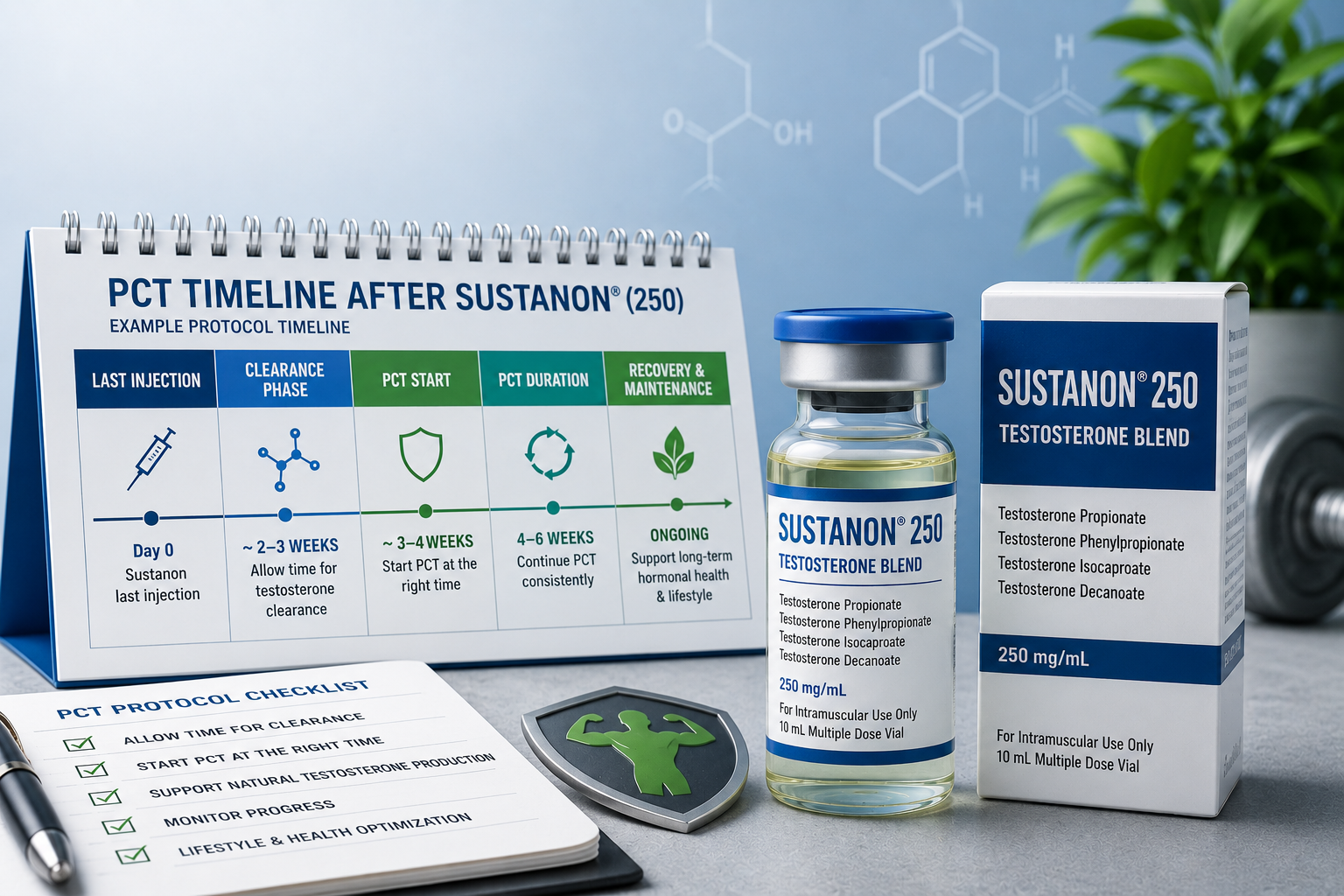
Post Cycle Therapy (PCT) drugs:
- Nolvadex (Tamoxifen): 4 to 6 weeks
- Or Clomid: 4 to 6 weeks
- Essential for recovery
- Cost: $50 to $150
Post cycle blood work:
- Verify recovery
- Check if health markers normalized
- Usually 4 to 6 weeks after PCT ends
- Cost: $150 to $300
Increased food costs:
- Eating 500 to 1,000 calorie surplus
- Higher protein requirements (200g+ daily)
- Quality food is expensive
- Estimate $50 to $150 extra per month
- Cost: $150 to $450 for 3 months
Total minimum cost for one 12 week testosterone cycle done properly:
Conservative estimate:
- Pre cycle blood: $200
- Testosterone: $100
- AI: $50
- HCG: $50
- Syringes: $30
- Mid cycle blood: $150
- PCT drugs: $75
- Post cycle blood: $200
- Increased food: $200
- Total: $1,055
Realistic estimate (more typical):
- Pre cycle blood: $300
- Testosterone (quality source): $200
- AI: $100
- HCG: $100
- Syringes: $40
- Mid cycle blood: $250
- PCT drugs: $100
- Post cycle blood: $250
- Increased food: $350
- Total: $1,690
And this is for the most basic, conservative first cycle. Many people run more compounds, longer durations, or higher doses, which increases costs significantly.
The Hidden and Unexpected Costs
Beyond the planned expenses:
Side effect management:
- Acne medication (if severe): $50 to $200
- Hair loss prevention (finasteride, minoxidil): $30 to $100 monthly
- Sleep aids (if insomnia occurs): $20 to $50
- Blood pressure medication (if needed): $20 to $100
- Cholesterol medication (if needed): $30 to $150
If things go wrong:
- Gynecomastia surgery (if develops): $3,000 to $8,000
- Additional doctor visits: $100 to $300 each
- Additional blood work: $150 to $300 each
- Emergency medications: Variable
Lost wages if injured:
- Time off work recovering from injury
- Medical costs for injury treatment
- Potentially thousands in lost income
The financial readiness test:
Can you comfortably afford $1,500 to $2,000 for your first cycle without:
- Going into debt
- Skipping rent/mortgage
- Cutting essential expenses
- Borrowing money
- Causing financial stress
If no: You are not financially ready. Period.
Do you have an emergency fund of $2,000 to $5,000 for unexpected health costs?
If no: Not ready. What if you need gyno surgery? What if blood work shows serious problem requiring medical intervention?
The harsh reality: Many people buy testosterone and basic PCT on credit card, skip blood work to “save money,” can’t afford AI or HCG, and have no emergency fund. This is incredibly dangerous and irresponsible.
Criterion 4: Be at a Low Body Fat Percentage
Being at a low body fat percentage before starting hormone use is important for several reasons.
Why Body Fat Matters for Steroid Use
Right away, a high body fat percentage can increase the risk of unwanted side effects, such as aromatization, which is the conversion of steroids into estrogen, leading to problems like gynecomastia and fluid retention.
The aromatization mechanism:
How testosterone converts to estrogen:
- Testosterone is the primary steroid used (at least as base)
- Enzyme aromatase converts testosterone to estradiol (estrogen)
- Aromatase is found in fat tissue
- More body fat = more aromatase enzyme = more estrogen production
The body fat to aromatization relationship:
Male at 10% body fat:
- Minimal aromatase activity
- 500mg testosterone per week might produce moderate estrogen elevation
- Manageable with small AI dose or no AI
- Lower risk of gynecomastia and water retention
Male at 20% body fat:
- Significantly more aromatase activity
- Same 500mg testosterone produces much higher estrogen
- Requires higher AI doses to control
- Higher risk of gynecomastia, water retention, emotional sides
Male at 25%+ body fat:
- Very high aromatase activity
- Estrogen can spike dangerously high
- May need aggressive AI dosing (increases side effects)
- Very high gyno risk
- Excessive water retention masks muscle gains
Side effects of high estrogen from excess aromatization:
- Gynecomastia (breast tissue development in men)
- Severe water retention (puffy, bloated appearance)
- High blood pressure (from water retention)
- Emotional instability (mood swings, crying, depression)
- Sexual dysfunction (despite high testosterone)
- Increased fat storage
Body Fat as an Indicator of Diet Competency
Additionally, being at a high body fat percentage is the most obvious sign that you weren’t dieting as you should or don’t know how to diet, which conflicts with the first criterion on the list.
What high body fat reveals:
If you’re over 15 to 18% body fat as a male:
- Haven’t successfully executed a cut
- Don’t understand calorie deficit
- Can’t maintain diet consistency
- Lack discipline needed for steroid use
If you’re planning to use steroids to “cut”:
- This is backwards
- Should cut naturally first to prove you can diet
- Then bulk on steroids (better use of compounds)
- Cutting on steroids is wasteful of their anabolic effects
The logical progression:
- Cut naturally to 10 to 12% body fat (proves diet competency)
- Maintain for a month (proves you can stay lean)
- Then consider bulking cycle (steroids excel at building muscle)
- Not cutting cycle (waste of anabolic potential)
Health Markers and Body Fat
Finally, depending on how high the body fat percentage is, several health markers may be altered and hormone use only tends to worsen them. In other words, in all cases, being at a low and healthy body fat percentage is an essential criterion.
Health markers typically poor at high body fat:
Lipid panel:
- High LDL cholesterol (bad)
- Low HDL cholesterol (good)
- High triglycerides
- Steroids worsen all of these
Blood pressure:
- Often elevated at high body fat
- Steroids increase blood pressure further
- Risk of hypertensive crisis
Insulin sensitivity:
- Reduced at high body fat
- Some steroids worsen insulin sensitivity
- Increased diabetes risk
Liver enzymes:
- May already be elevated (fatty liver common at high body fat)
- Oral steroids especially hard on liver
- Compounding the damage
Cardiovascular risk:
- Already elevated from obesity
- Steroids add significant additional risk
- Dangerous combination
Recommended Body Fat Percentages Before First Cycle
Men:
- Ideal: 10 to 12% body fat
- Acceptable: 12 to 15% body fat
- Not recommended: Over 15% body fat
- Absolutely not: Over 18% body fat
Women (if considering, though not recommended):
- Ideal: 18 to 22% body fat
- Acceptable: 22 to 25% body fat
- Not recommended: Over 25% body fat
How to assess body fat:
- DEXA scan (most accurate, $50 to $150)
- Visual comparison to reference photos
- Caliper measurements (moderate accuracy)
- Don’t rely on bioelectrical impedance (very inaccurate)
If you’re over 15% body fat: Spend 3 to 6 months cutting naturally first. This proves diet discipline, improves health markers, and sets you up for successful bulk on cycle.
Criterion 5: Have Reached the Peak of Your Natural Physique
Reaching the peak of your natural physique is an important criterion, not only to make the most of your natural genetic potential before using hormones, but also because it directly influences the positive and negative effects of hormones.
The Androgen Receptor Density Concept
You see, resistance training and muscle mass building are two things that can influence the quantity of androgen receptors in the body, where anabolic hormones, like testosterone, can bind to generate results.
How androgen receptors work:
The receptor binding mechanism:
- Anabolic steroids (testosterone, etc.) circulate in bloodstream
- They bind to androgen receptors in cells
- Binding triggers protein synthesis and other anabolic processes
- More receptors = more binding sites = better results
Where androgen receptors are located:
- Muscle tissue (where we want them)
- Prostate (can cause enlargement)
- Hair follicles (can cause hair loss)
- Sebaceous glands (can cause acne)
- Heart (cardiovascular effects)
- Brain (mood and behavior effects)
In simplistic terms, the more muscle mass you have and the heavier you can train, the more androgen receptors you tend to develop. This means your muscles can take better advantage of hormones during the cycle due to greater availability of androgen receptors.
The research on training and receptor density:
Study findings:
- Resistance training increases androgen receptor density in muscle tissue
- Effect accumulates over months to years of training
- More developed muscles have higher receptor density
- Untrained muscles have lower receptor density
Practical implications:
Advanced natural lifter (4+ years training, near genetic limit):
- High androgen receptor density in muscles
- 500mg testosterone binds primarily to muscle receptors
- Excellent muscle building response
- Better ratio of benefits to side effects
Beginner (1 year training, far from genetic limit):
- Lower androgen receptor density in muscles
- Same 500mg testosterone has fewer muscle receptors to bind to
- More circulates to bind receptors in other tissues
- Worse ratio of benefits to side effects
The Side Effect Reduction Mechanism
More importantly, if anabolic steroids are binding primarily to receptors in muscles, there’s less potential for them to bind to receptors in other parts of the body, like vital organs, which can reduce side effects.
In other words, using hormones when you’ve already built a minimum base of muscle mass will potentially give you more results and fewer side effects, due to greater availability of androgen receptors in muscles.
The mechanism:
Limited total hormone in bloodstream:
- If you inject 500mg testosterone weekly
- It gets distributed throughout body
- Finite amount available to bind receptors
Receptor competition:
- Muscle receptors compete with other tissue receptors
- More muscle receptors = more hormone bound there
- Less available for prostate, hair follicles, etc.
- Potentially fewer side effects
Not a guarantee, but improves odds:
- Still will have side effects
- But ratio may be better
- More muscle gain per unit of side effect risk
How to Know If You’ve Reached Natural Potential
Realistic natural muscle building limits:
First year training:
- Men can gain 20 to 25 lbs muscle
- Women can gain 10 to 12 lbs muscle
- Rapid progress, exciting phase
Second year:
- Men gain 10 to 12 lbs muscle
- Women gain 5 to 6 lbs muscle
- Slowing down but still good
Third year:
- Men gain 5 to 6 lbs muscle
- Women gain 2 to 3 lbs muscle
- Definitely slower
Fourth year and beyond:
- Men gain 2 to 4 lbs muscle
- Women gain 1 to 2 lbs muscle
- Very slow, frustrating progress
Total natural potential (starting from untrained):
- Men: 40 to 50 lbs muscle over 4 to 5 years
- Women: 20 to 25 lbs muscle over 4 to 5 years
- Varies by genetics, height, frame size
Signs you’re close to natural potential:
- Been training 4+ years consistently
- Gaining less than 2 to 3 lbs muscle per year
- Strength progression extremely slow
- Need to work very hard for tiny improvements
- Diet and training are optimized
Signs you’re NOT close to natural potential:
- Been training under 3 years
- Still making consistent strength gains
- Gaining 5+ lbs per year
- Haven’t optimized diet and training
- Never run proper bulking and cutting phases
The FFMI (Fat Free Mass Index) benchmark:
FFMI calculation:
- FFMI = (lean mass in kg) / (height in meters)²
- Natural limit approximately 25 FFMI
- Above 25 typically requires steroids
- 22 to 25 is advanced natural
Example for 6 foot tall male:
- FFMI 20: 175 lbs at 10% body fat (intermediate)
- FFMI 23: 195 lbs at 10% body fat (advanced natural)
- FFMI 25: 205 lbs at 10% body fat (near natural limit)
- FFMI 28: 225 lbs at 10% body fat (likely enhanced)
If your FFMI is under 22: You have significant natural gains still available. Not ready for steroids.
If your FFMI is 22 to 24: You’re in advanced natural territory. Might be approaching readiness.
If your FFMI is 24 to 25: You’re at or very near natural limit. Steroids could provide benefit beyond natural capacity.
Criterion 6: Be in Good Health
Anabolic steroid use can aggravate preexisting health conditions and increase the risk of developing problems, such as cardiovascular, liver, and hormonal diseases. A healthy body has greater capacity to deal with the additional stresses that steroids impose, which can minimize negative side effects.
Essential Health Screening Before Steroids
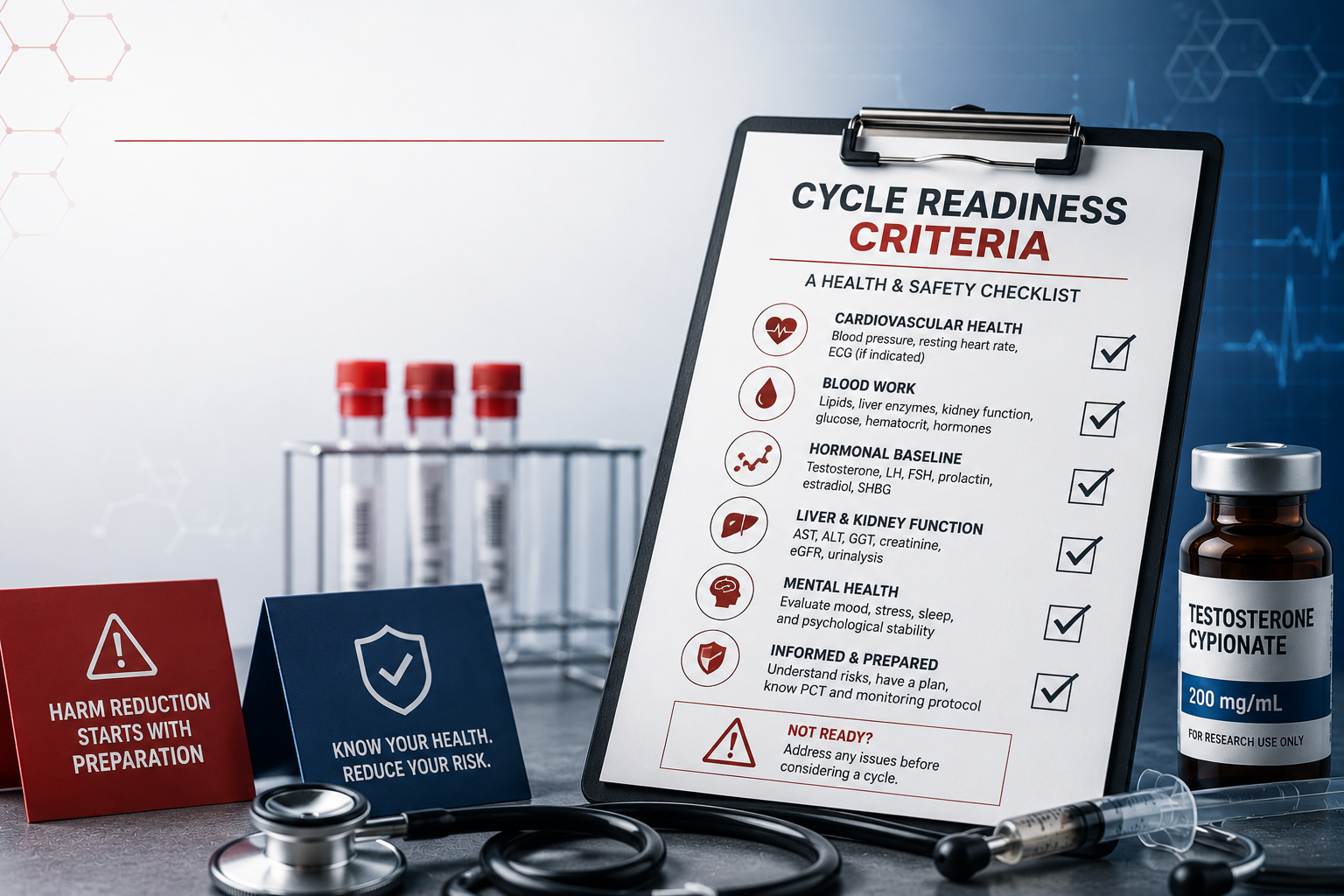
Therefore, getting lab work done and making sure you don’t have chronic health conditions is essential before starting any steroid cycle.
Comprehensive pre cycle blood work (required):
Hormone panel:
- Testosterone (total and free)
- Estradiol (E2)
- LH and FSH
- Prolactin
- SHBG
- Thyroid panel (TSH, T3, T4)
Lipid panel:
- Total cholesterol
- LDL cholesterol (should be under 100)
- HDL cholesterol (should be over 40)
- Triglycerides (should be under 150)
- LDL/HDL ratio
Liver function:
- AST (should be under 40)
- ALT (should be under 40)
- GGT
- Bilirubin
- Albumin
Kidney function:
- Creatinine (should be under 1.2)
- BUN
- GFR (should be over 90)
Blood cell counts:
- Hemoglobin
- Hematocrit (should be under 50%)
- Red blood cells
- White blood cells
- Platelets
Metabolic panel:
- Fasting glucose (should be under 100)
- HbA1c (should be under 5.7%)
- Electrolytes
Cardiovascular screening:
- Blood pressure (should be under 130/80)
- Resting heart rate (should be under 80)
- Consider echocardiogram if family history of heart disease
Disqualifying Health Conditions
Conditions that absolutely disqualify steroid use:
Cardiovascular:
- History of heart attack or stroke
- Heart disease or cardiomyopathy
- Arrhythmias
- Very high blood pressure (over 140/90 despite medication)
- Family history of early heart disease (before age 50)
Hepatic:
- Liver disease (hepatitis, cirrhosis, fatty liver disease)
- Elevated liver enzymes (AST or ALT over 60)
- History of liver tumors
Renal:
- Kidney disease or reduced kidney function
- GFR under 60
Endocrine:
- Diabetes (type 1 or poorly controlled type 2)
- Thyroid disease (unless well controlled)
Psychiatric:
- Severe depression or anxiety
- Bipolar disorder
- History of psychosis
- Suicidal ideation
- Anger management issues
Other:
- Prostate issues (enlarged prostate, elevated PSA)
- Sleep apnea (worsened by steroids)
- Polycythemia (high red blood cells)
- Blood clotting disorders
If you have any of these conditions: Do NOT use steroids. The health risks are too severe.
Interpreting Your Blood Work
What good pre cycle blood work looks like:
All markers in healthy range:
- Testosterone: 300 to 1,000 ng/dL (knowing baseline important)
- Estradiol: 10 to 40 pg/mL
- Liver enzymes: Under 30 (optimal)
- Lipids: LDL under 100, HDL over 50
- Blood pressure: Under 120/80
- Fasting glucose: Under 95
- Hematocrit: Under 48%
Borderline markers that need addressing before cycle:
- Blood pressure 130/80 to 139/89: Get to under 130/80 first
- LDL 100 to 130: Improve diet, add cardio, retest
- HDL 35 to 40: Improve with diet and exercise
- Liver enzymes 30 to 40: Investigate cause, improve lifestyle
- Fasting glucose 95 to 100: Improve insulin sensitivity first
Poor markers that disqualify you:
- Blood pressure over 140/90: Not safe for steroids
- LDL over 130: Too high, fix first
- HDL under 35: Too low, dangerous
- Liver enzymes over 40: Something wrong, find out what
- Fasting glucose over 100: Prediabetic, steroids will worsen
The process:
- Get comprehensive blood work
- If markers are good, you pass criterion 6
- If markers are borderline, spend 3 to 6 months improving them, retest
- If markers are poor, you’re disqualified until fixed (or permanently)
Conclusion: Key Takeaways
Before considering anabolic steroid use, it’s fundamental to know how to diet, because adequate nutrition is crucial for muscle growth, independent of hormone use. In fact, diet can become even more important during hormone use.
Additionally, it’s essential to have solid training experience of at least 2 to 3 years, since correct training is crucial for stimulating muscle growth and strengthening the body to support the possible sudden increase in strength caused by steroid use.
Other important criteria include having sufficient financial conditions to cover not only the costs of hormones, but also lab work, consultations, and food, in addition to being at a low body fat percentage to minimize the risks of side effects.
Reaching the peak of natural physique is crucial to maximize results and reduce adverse effects, due to greater availability of androgen receptors in muscles. Finally, being in good health is indispensable, since steroid use can aggravate preexisting conditions and increase the risk of health problems.
The Reality: Most People Fail Multiple Criteria
Honest self assessment:
How many criteria do you actually meet?
- Know how to diet (for real) – ☐
- Train 2+ years regularly – ☐
- Have financial means – ☐
- Low body fat (under 15%) – ☐
- Near natural potential – ☐
- In good health – ☐
If you checked 0 to 2 boxes: You are absolutely not ready. Spend at least another year improving before reconsidering.
If you checked 3 to 4 boxes: You’re closer but still not ready. Address the missing criteria.
If you checked 5 boxes: You’re close. Determine which criterion you’re missing and whether it can be addressed.
If you checked all 6 boxes: You meet the minimum readiness criteria. This does NOT mean you should use steroids, just that you’re less likely to have a complete disaster than someone who meets fewer criteria.
Final Thoughts: The Decision Is Yours
This article is not encouraging steroid use. The safest decision is always to remain natural. Natural bodybuilding is healthier, cheaper, legal, and still produces excellent physiques.
However, if you choose to use despite the risks:
- At minimum, meet all 6 criteria
- Get comprehensive blood work before, during, and after
- Have a detailed plan including PCT
- Never rush the decision
- Accept the health risks and legal consequences
Most people reading this will realize they’re not ready. That’s good. Come back to these criteria in 1 to 2 years after addressing the gaps.
Remember: Passing these criteria is a bare minimum for harm reduction, not a green light that steroid use is safe or recommended.
THE BOTTOM LINE: ARE YOU READY FOR YOUR FIRST CYCLE?
✅ Know How To Diet For Real (Track Food, Hit Macros, Bulked and Cut Successfully)
✅ Train 2 to 3+ Years Consistently (Injury Prevention, Technical Mastery, Joint Conditioning)
✅ Have Financial Means ($1,500 to $2,000+ For Cycle Plus Emergency Fund)
✅ Be At Low Body Fat (Men Under 15%, Ideally 10 to 12%)
✅ Reach Natural Potential Peak (More Receptors, Better Results, Fewer Sides)
✅ Be In Good Health (Clean Blood Work, No Disqualifying Conditions)
Signs You’re Ready: • Trained Consistently 3+ Years • Successfully Bulked And Cut Multiple Times • FFMI 23+ (Advanced Natural Development) • All Blood Work In Healthy Range • Can Afford $2,000+ Without Financial Stress • Under 12% Body Fat And Maintaining
Signs You’re NOT Ready: • Trained Less Than 2 Years • Never Successfully Executed Structured Diet • Poor Form Or Limited Exercise Knowledge • Over 15% Body Fat • Can’t Afford Comprehensive Blood Work • Any Disqualifying Health Condition
Critical Principles:
Most People Are Not Ready: • 70%+ of first time users start too early • Don’t meet basic criteria • Experience disappointing results • Preventable side effects • Wasted money and health risks
Steroids Don’t Replace Basics: • Won’t grow muscle from nothing • Amplify your existing efforts • Need proper diet, training, recovery • Without these, mostly wasted
Health Risks Are Real: • No truly safe dose • All hormones cause side effects • Can aggravate existing conditions • Cardiovascular, hepatic, psychiatric risks • Some effects may be permanent
Financial Reality: • $1,500 to $2,000 minimum for first cycle done properly • Must include blood work (before, during, after) • Must include AI, HCG, PCT drugs • Must include emergency fund for complications • Cutting corners is dangerous
The Smart Approach: • Meet ALL criteria before considering • Get comprehensive health screening • Have detailed plan including PCT • Accept risks and legal consequences • Most people should remain natural
MOST PEOPLE READING THIS ARE NOT READY. THAT’S GOOD. ADDRESS THE GAPS IN YOUR KNOWLEDGE, TRAINING, FINANCES, AND HEALTH FIRST. COME BACK TO THESE CRITERIA IN 1 TO 2 YEARS. DON’T RUSH A DECISION WITH PERMANENT HEALTH CONSEQUENCES. NATURAL TRAINING STILL BUILDS EXCELLENT PHYSIQUES. PATIENCE PAYS OFF.
Ready To Maximize Your Natural Potential Before Even Considering Enhancement? Understanding readiness criteria is just the beginning. Get a complete natural bodybuilding system including evidence based training programs for maximum muscle growth, nutrition protocols for optimal natural hormone production, supplement strategies that actually work for natural lifters, recovery optimization for natural athletes, and complete physique development without drugs. Stop rushing toward steroids. Start maximizing what your natural potential can actually achieve first. Most people are shocked by how much muscle they can build naturally when diet and training are truly optimized.
REFERENCES
SECTION 1 — Resistance training increases androgen receptor density in skeletal muscle
[1] Sinha-Hikim I et al. — PubMed/Journal of Clinical Endocrinology and Metabolism, 2002 Controlled study examining androgen receptor protein content in skeletal muscle of men receiving graded testosterone doses; androgen receptor content in the vastus lateralis increased significantly in a dose-dependent manner with testosterone administration combined with resistance training; resistance exercise alone also elevated androgen receptor expression compared to sedentary controls; the increase in androgen receptor density is proposed as a mechanism through which testosterone and training synergistically increase muscle protein synthesis; provides the molecular biology basis for the article’s Criterion 5 argument that more training experience and greater muscle mass mean more androgen receptors in muscle tissue, improving the ratio of anabolic benefit to off-target binding in other tissues https://pubmed.ncbi.nlm.nih.gov/12050244/
SECTION 2 — Body fat and aromatase activity: more fat = more estrogen conversion
[2] Cohen PG — PubMed/Medical Hypotheses, 2001 Review of the hypogonadal-metabolic-atherogenic cascade; increased adipose tissue is associated with increased aromatase enzyme activity, converting testosterone to estradiol and producing further androgen-to-estrogen imbalance; the visceral fat depot in particular expresses high levels of CYP19A1 (aromatase); the resulting elevated estrogen levels contribute to further fat accumulation, creating a self-reinforcing cycle; during supraphysiological testosterone administration, elevated aromatase activity from excess fat tissue substantially amplifies estradiol production, increasing the risk of gynecomastia, water retention, and cardiovascular effects; directly validates the article’s Criterion 4 requirement for low body fat before beginning a cycle https://pubmed.ncbi.nlm.nih.gov/11399122/
SECTION 3 — Natural muscle building limits: FFMI analysis in drug-free athletes
[3] Kouri EM et al. — PubMed/Clinical Journal of Sports Medicine, 1995 Analysis of fat-free mass index (FFMI) in 83 male competitive bodybuilders, stratified by self-reported drug-free status and confirmed by urinalysis; non-steroid-using bodybuilders clustered with an FFMI of 21.8 on average, with none exceeding 25.0; steroid-using bodybuilders had a mean FFMI of 24.8 with many exceeding 25.0; an FFMI of approximately 25 represents a practical upper limit for drug-free male physique development; provides the empirical benchmark used in the article’s Criterion 5 FFMI framework, supporting the recommendation that natural lifters with FFMI under 22 still have substantial natural gains available and do not meet the readiness threshold of approaching genetic potential https://pubmed.ncbi.nlm.nih.gov/7550257/
SECTION 4 — Cardiovascular and health risks requiring pre-cycle screening
[4] Baggish AL et al. — PubMed/Circulation, 2017 Controlled study comparing 140 male strength-trained athletes (86 AAS users, 54 non-users) with cardiac MRI, coronary CTA, and echocardiography; AAS users had significantly reduced left ventricular ejection fraction (52% vs 63% in non-users, p<0.001), greater coronary plaque burden, and dysfunctional diastolic function compared to non-users; AAS users who had stopped using showed partial recovery of ejection fraction but persistent coronary plaque; magnitude of changes correlated with cumulative AAS exposure; establishes the specific cardiovascular structural changes that AAS cause, providing the mechanistic rationale for the article’s requirement for pre-cycle echocardiography, comprehensive lipid screening, and blood pressure monitoring in Criterion 6, and the disqualifying condition of pre-existing cardiovascular disease https://pubmed.ncbi.nlm.nih.gov/27754882/



Leave a Reply
You must be logged in to post a comment.